Por que revisar ferramentas open source de segurança para IaC virou obrigatório
In 2026, nobody seriously shipping cloud workloads can ignore IaC security anymore. Terraform, Ansible, Pulumi and friends have turned infra into code, but most teams still scan that code as an afterthought. The result is predictable: public S3 buckets, over‑permissive security groups, hard‑coded secrets, all baked into reusable modules. The upside is that there are plenty of ferramentas open source para segurança em infraestrutura como código; the downside is that picking, wiring and actually enforcing them across teams is where things usually fall apart.
Problema real: когда «зеленый» CI скрывает красные риски
Picture a mid‑size fintech migrating from manual AWS consoles to Terraform. CI only runs fmt, validate, plan. Everything is green, releases are frequent, auditors are happy with the “automation story”. Six months later, an external pentest finds dozens of internet‑facing RDS instances and a Terraform module that gives every Lambda function `AdministratorAccess`. Nothing here is exotic: code review focused on cost and delivery dates, not on threat modeling. This kind of case is why teams start looking for a dedicated scanner de segurança para infraestrutura como código open source instead of relying on human eyeballs and generic linters.
Классы инструментов: не только «еще один сканер»
Most people first meet IaC security through static policy scanners like Checkov, Terrascan, tfsec or KICS. They parse Terraform, CloudFormation, Kubernetes YAML and compare what they see against rules: “no `0.0.0.0/0`”, “S3 must be encrypted”, “RDP closed to the world”, and so on. This is the baseline, but it’s not the whole story. Some of the melhores ferramentas IaC security open source para devops also plug into cloud APIs, correlate deployed state with IaC, or integrate with OPA/Rego to let you encode custom business constraints instead of relying only on vendor presets.
Реальный кейс: Terraform + Ansible и двойная поверхность атаки
A common blind spot appears when Terraform defines cloud primitives while Ansible configures what runs inside. Security reviews often look only at Terraform, assuming OS hardening and app settings are “Ops territory”. In one logistics company, this gap meant SSH keys were properly rotated in Terraform, yet Ansible playbooks still enabled password authentication on every VM. A targeted breach used simple credential stuffing to pivot. Only when the team ran a combined análise de segurança em Terraform e Ansible com ferramentas gratuitas did they see that infra and config policies contradicted each other, breaking their entire zero‑trust narrative without anyone noticing.
Неочевидные решения: семантические правила вместо грубых сигнатур
Out‑of‑the‑box rules are helpful, but they quickly hit limits in complex environments. For instance, a rule that bans any public S3 bucket may be impossible in a media company serving files globally. The non‑obvious move is to layer semantic policies: combine IaC scanners with OPA or Conftest and express intent like “public buckets only allowed in `prod-public` account and must enable CloudFront + WAF + access logs”. This way, ferramentas open source para segurança em infraestrutura como código stop being noisy compliance engines and become an executable form of your architecture guidelines, tailored to your actual threat model instead of generic checklists.
Альтернативные методы: тестирование через эмуляцию и «security unit tests»
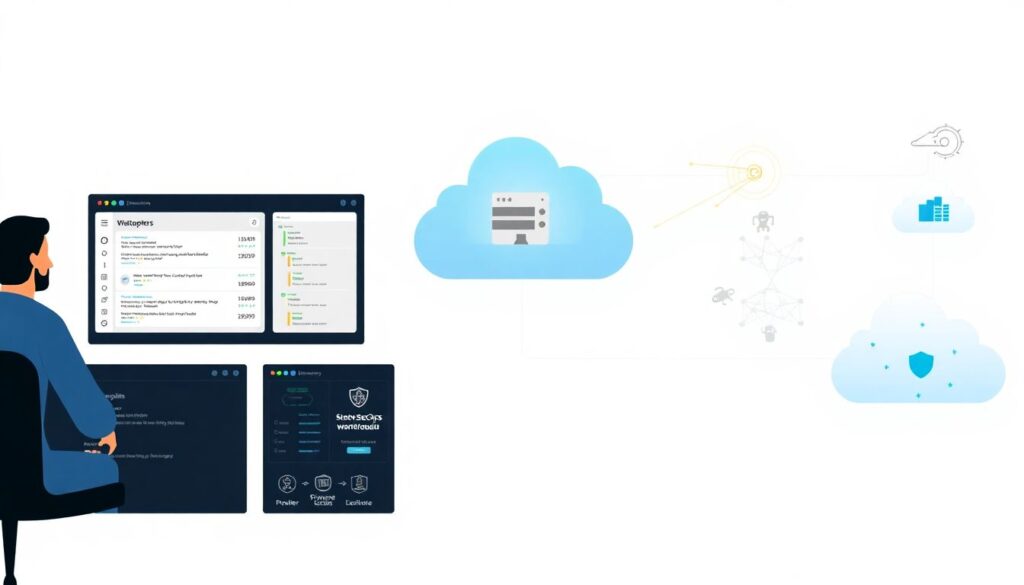
Static analysis won’t catch everything. Some teams are experimenting with ephemeral environments plus automated offensive checks. Terraform applies a short‑lived stack, then tools like Prowler, ScoutSuite or custom scripts probe it the way an attacker would. Misconfigured IAM paths, route tables or weird trust relationships surface quickly. Another alternative is “security unit tests”: small, focused tests that instantiate only one module and assert security properties via CLI or SDK calls. This hybrid approach turns your scanner de segurança para infraestrutura como código open source into the first line of defense, then validates critical paths dynamically before anything ever hits a long‑lived account.
Практика: как построить рабочий pipeline безопасности IaC
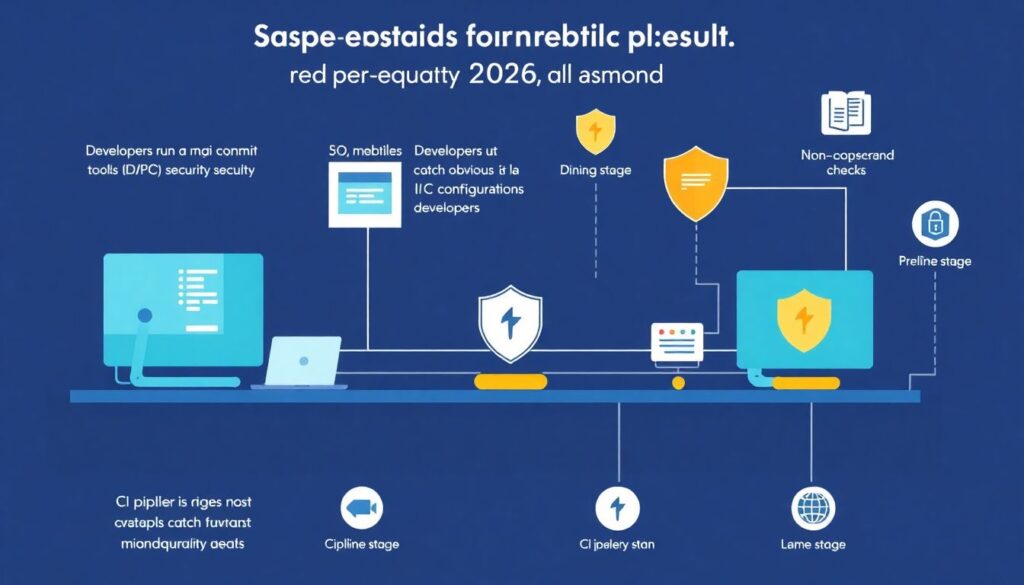
The recurring question in 2026 is less about tool choice and more about como implementar pipeline de segurança IaC com ferramentas open source without blocking developers. A pragmatic pattern looks like this: pre‑commit hooks to catch obvious misconfigurations locally; CI stage that runs multiple scanners with tuned rule sets; a “policy‑as‑code” gate using OPA to enforce hard requirements; and a scheduled job that rescans the main branch and compares results with what is actually deployed. The crucial nuance: treat findings as code review input, not as a compliance wall, and only elevate truly critical violations to blocking status after you have buy‑in from the product teams.
Лайфхаки для профессионалов: снижение шума и управление исключениями
Senior engineers know that the hardest part is not enabling tools but making people listen to them. Pro tip: start by whitelisting a small group of high‑signal rules, then gradually increase coverage as teams fix the obvious issues. Maintain an “exceptions registry” in Git, where each suppression is tied to a ticket, an owner and an expiry date; many of the melhores ferramentas IaC security open source para devops already support inline annotations or external baselines for this. Another trick is to export scan metrics to Grafana and show trends during sprint reviews, so security debt is visible like any other performance indicator.
Расширение охвата: Kubernetes, pipelines и секреты
By 2026, IaC security clearly goes beyond Terraform alone. Helm charts, Kustomize overlays, GitHub Actions, GitLab CI and Argo CD manifests also shape your runtime. Limiting checks to `*.tf` files leaves gaping holes where over‑permissive CI tokens or insecure pod security contexts live. When selecting ferramentas open source para segurança em infraestrutura como código, prioritize those that parse multiple formats and understand container security basics. Pair them with secret‑scanning tools such as Gitleaks or TruffleHog integrated into the same pipeline, so leaked credentials and bad infra policies are caught in one cohesive feedback loop instead of disjointed, easily ignored reports.
Прогноз до 2028: куда движется IaC security
Looking ahead from 2026, expect the boundary between IaC and application security to blur even more. Policies will increasingly mix data from Git, CI, cloud runtime and SBOMs to decide if a change is acceptable. We’ll see more análise de segurança em Terraform e Ansible com ferramentas gratuitas that understand drift, blast radius and business context, not just file syntax. Machine‑assisted rule generation will likely appear, where the system suggests new policies based on your architecture and incident history. At the same time, regulators are already eyeing IaC pipelines, so being able to demonstrate a robust, auditable security process around infraestrutura como código will shift from competitive advantage to mandatory hygiene.
Вывод: относиться к IaC как к коду, а не как к «скриптам админа»
In the end, IaC security is less about picking a shiny scanner de segurança para infraestrutura como código open source and more about treating infra definitions with the same rigor as application code. Version them, test them, review them, and gate them with policies you actually understand. Use the growing ecosystem of ferramentas open source para segurança em infraestrutura como código as building blocks: static scanners, policy engines, dynamic testers and secret detectors. Done right, your pipeline stops being a passive conveyor belt and becomes an active control plane where risk is negotiated explicitly, in code, long before attackers can exploit it.