Categoria: Manuais
-

Zero-day no ivanti connect secure permite invasões de Vpn e roubo de credenciais
Zero-day no Ivanti Connect Secure abre caminho para invasões de VPN e roubo de credenciais Uma cadeia de vulnerabilidades no Ivanti Connect Secure permitiu que invasores contornassem a autenticação, executassem código e alcançassem privilégios de root em appliances VPN. A investigação também apontou o acesso a credenciais de domínio e a dados relacionados ao Active…
-

Sírio-libanês investiga possível acesso indevido a dados de projetos sociais
Sírio-Libanês apura possível acesso indevido a dados de projetos sociais O Hospital Sírio-Libanês investiga indícios de acesso não autorizado a um sistema interno de relatórios usado em alguns de seus projetos sociais. A ocorrência foi identificada em 21 de setembro e divulgada publicamente em 16 de outubro de 2026. A instituição afirma que acionou especialistas,…
-

Mitre Att&ck v20 adiciona nove técnicas de ataque e amplia foco em inteligência artificial
MITRE ATT&CK v20 inclui nove técnicas de ataque e amplia foco em IA A versão 20 do MITRE ATT&CK acrescenta nove técnicas ao domínio Enterprise e amplia a descrição de ameaças relacionadas à inteligência artificial, à autenticação multifator e a mecanismos anti-automação. Publicada em 13 de outubro de 2026, a atualização também traz mudanças para…
-

Como testar a segurança de uma Ia antes de colocá-la em produção?
Como testar a segurança de uma IA antes de colocá-la em produção Avaliar se uma inteligência artificial responde corretamente não basta para determinar se ela está pronta para uso real. Antes do lançamento, é necessário verificar como o sistema se comporta diante de usuários mal-intencionados, documentos manipulados, respostas perigosas de ferramentas e falhas nas integrações.…
-
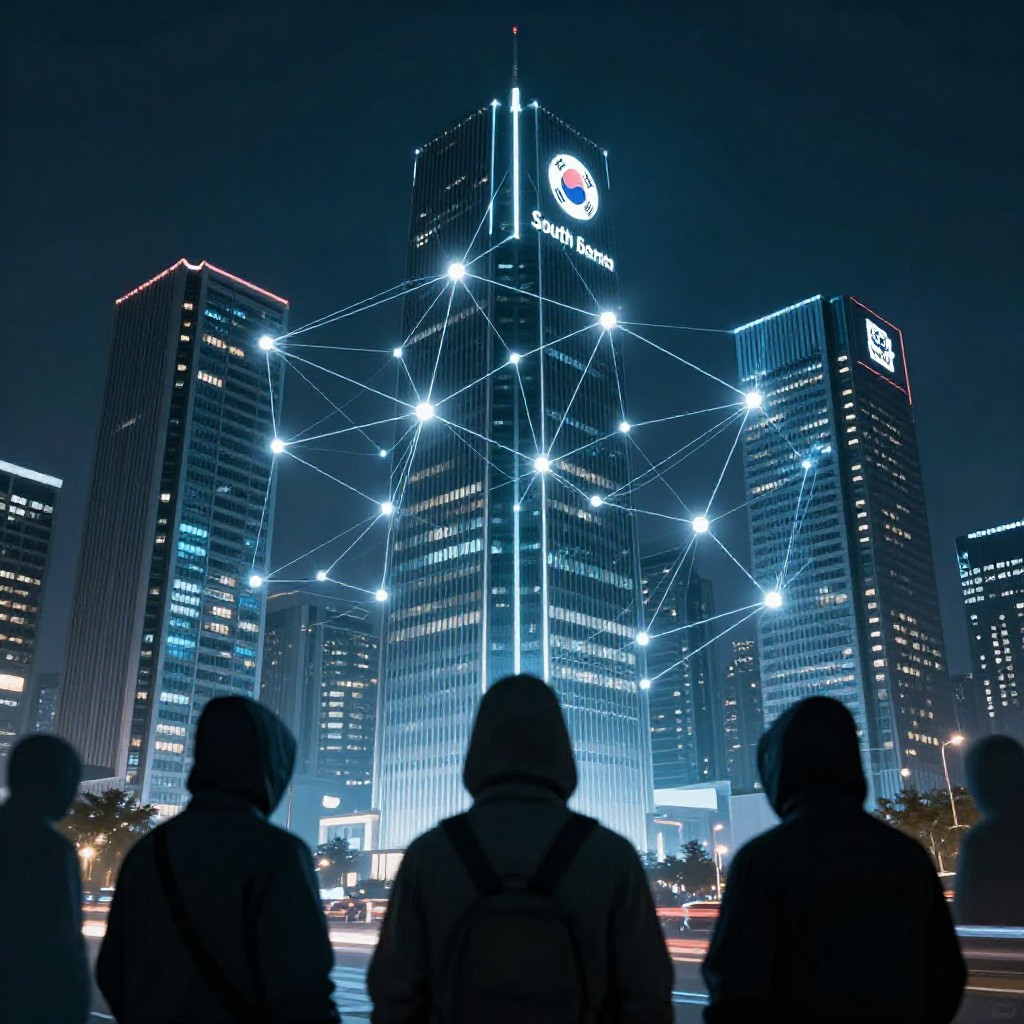
Artex com inteligência artificial é usado em ataques contra bancos sul-coreanos
ARTEX com inteligência artificial é usado em ataques contra bancos sul-coreanos Uma investigação da CrowdStrike identificou o uso do ARTEX, uma ferramenta de testes de intrusão apoiada por inteligência artificial, em uma campanha contra instituições financeiras da Coreia do Sul. A atividade teria ocorrido entre o fim de setembro e o início de outubro de…
-
Einstein confirma ataque cibernético e acesso indevido a dados de pacientes
Einstein confirma ataque cibernético e acesso indevido a dados de pacientes O Hospital Israelita Albert Einstein informou que sofreu um ataque cibernético que permitiu o acesso não autorizado a uma parte de sua base de dados de pacientes. A instituição afirmou que, até o momento, não encontrou indícios de que as informações tenham sido divulgadas…
-
Carros conectados compartilham dados com terceiros e levantam preocupações sobre privacidade
Carros conectados e privacidade: estudo aponta compartilhamento de dados com terceiros Os automóveis modernos estão deixando de ser apenas meios de transporte para se tornar plataformas digitais capazes de coletar e transmitir informações. Uma pesquisa da Northeastern University, realizada em parceria com a Consumer Reports, examinou 21 veículos e 30 aplicativos relacionados a carros e…
-
Ataque à fakturownia expõe riscos de tokens e dados em plataformas de faturamento
Ataque à Fakturownia revela riscos de tokens e dados em plataformas de faturamento A invasão da Fakturownia, plataforma polonesa de faturamento usada por mais de 600 mil empresas, expôs um risco que vai além do vazamento de informações armazenadas em um banco de dados. Quando um serviço financeiro é conectado a sistemas de contabilidade, bancos…
-
Cve-2026-90970: falha crítica no gitlab Ai gateway permite execução remota de código
CVE-2026-90970: falha crítica no GitLab AI Gateway pode permitir execução remota de código Uma vulnerabilidade crítica no GitLab Self-Hosted AI Gateway pode permitir que um usuário autenticado execute comandos no ambiente que processa recursos de inteligência artificial. Identificada como CVE-2026-90970, a falha recebeu pontuação CVSS 9,9. O GitLab recomenda que organizações com instalações próprias atualizem…
-

Propriedade intelectual na internet: Ia amplia riscos de fraude e uso indevido de marcas
Propriedade intelectual sob ataque: IA, impersonação e abuso de domínios ampliam o risco digital A proteção da propriedade intelectual na internet já não se limita a registrar uma marca e recorrer à Justiça quando alguém a utiliza sem autorização. Domínios fraudulentos, perfis falsos, anúncios enganosos e conteúdos criados com inteligência artificial permitem copiar a identidade…