Understanding continuous cloud monitoring

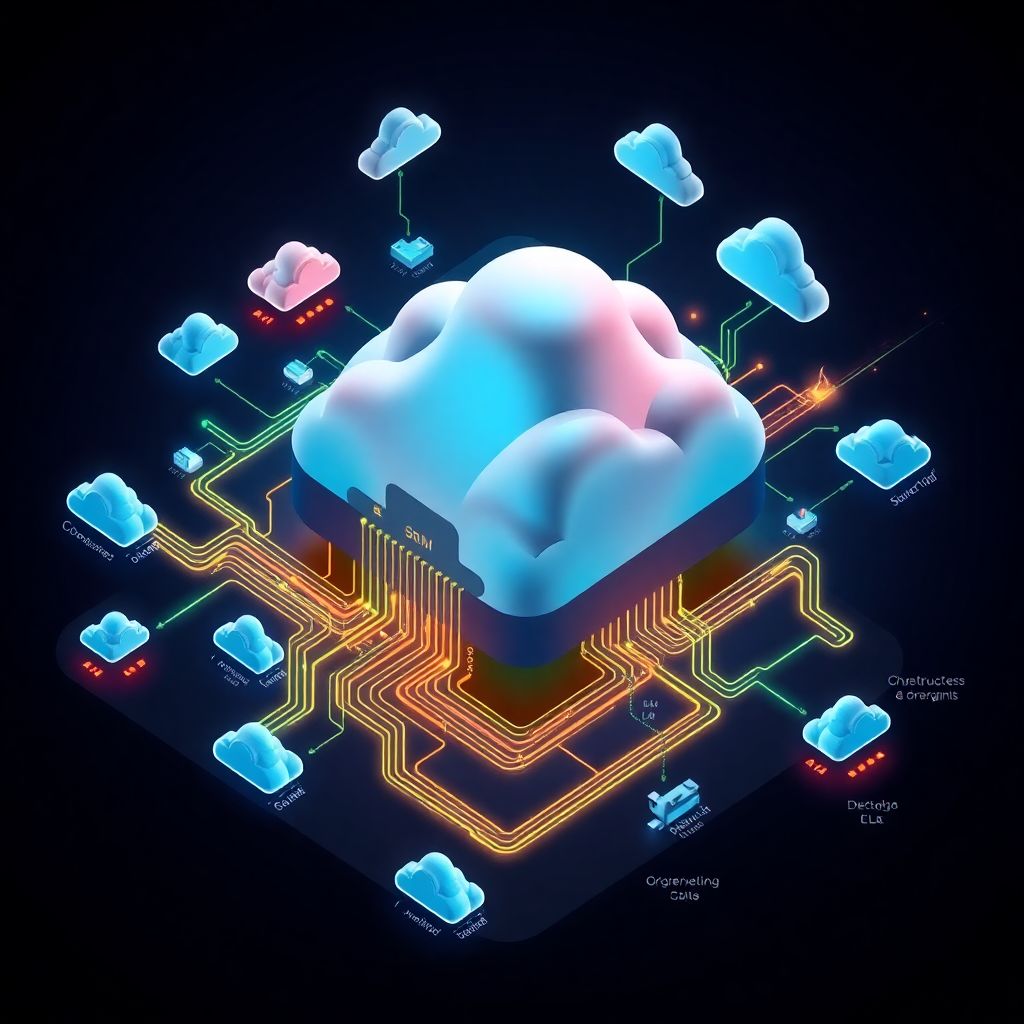
Continuous monitoring in the cloud is less about shiny dashboards and more about building a nervous system for your entire infrastructure. Logs, metrics, traces and security events flow together so you can spot weird behavior before it becomes an incident. When people talk about *monitoramento contínuo na nuvem siem*, they mean combining observability (what’s happening) with security analytics (what’s dangerous). To get there, you need disciplined logging, a well‑tuned SIEM, and real‑time detection that works with the elastic, API‑driven nature of cloud services rather than fighting it. Think of it as shifting from “manual checking” to an always‑on feedback loop that informs design, operations and response.
You don’t need a massive budget to start, but you do need clear priorities: know which assets matter most, what “normal” behavior looks like, and who will act when alerts fire.
Why this matters for security and the business
Security teams often focus on perimeter controls, but attackers target misconfigurations, over‑privileged identities and exposed APIs inside your cloud. Without deep visibility, you only notice problems when customers complain or data leaks show up elsewhere. Continuous monitoring, aligned with *melhores práticas de segurança e monitoramento em cloud*, gives you early signals: spikes in failed logins, odd data transfers, unusual IAM role use. That’s also what auditors expect when they review your controls. For engineering leaders, good monitoring reduces mean time to detect and fix issues, and provides the evidence needed to justify architectural changes or extra headcount for security.
In short, monitoring is not a “security add‑on”; it is a core reliability capability that security can leverage heavily.
—
Necessary tools for effective cloud monitoring
Core logging and telemetry stack
Start with the basics: comprehensive, structured logging from every layer. You’ll want *ferramentas de logging e monitoramento cloud* that ingest data from applications, managed services, containers, serverless functions and network components. Experts consistently recommend normalizing logs into a common schema (for example ECS‑like fields for user, source.ip, cloud.account.id) to simplify correlation later. Centralized storage should be scalable and relatively cheap; use object storage for long‑term retention and a hot index (e.g., search or analytics engine) for the most recent weeks. Add metrics and traces via an open standard like OpenTelemetry so you don’t lock yourself into a single vendor. The goal: one ingestion pipeline that can feed both performance monitoring and security analytics.
Avoid letting each team pick its own logging tool without coordination; that creates blind spots and makes incident investigation painfully slow.
Cloud SIEM as your analysis brain
Once logs are flowing, you need a place to correlate them and detect suspicious patterns. Modern teams lean toward *plataformas siem em nuvem para segurança* because they scale with your data, integrate natively with major providers, and reduce the operational overhead of maintaining big clusters yourself. A cloud SIEM should be able to ingest identity logs, API calls, network flows, endpoint alerts and application events. Configure it to map telemetry to frameworks like MITRE ATT&CK so you can reason about attack stages rather than isolated alerts. Expert practitioners emphasize starting with a small set of well‑understood detection rules and iterating, instead of enabling every rule pack and drowning in noise.
If your SIEM doesn’t make it easy to pivot from an alert to all related activity in seconds, you’ll feel it during the first real incident.
Real‑time threat detection and response
Classic SIEMs were built for batch processing, but cloud attacks unfold quickly. That’s where *soluções de detecção de ameaças em tempo real na nuvem* enter the picture. These can be native services from your cloud providers, managed detection and response (MDR) platforms, or custom pipelines using stream processing. The key is low latency from event ingestion to decision: when an access key is abused, you want automated actions such as revoking credentials, isolating workloads, or enforcing step‑up authentication. Seasoned defenders recommend combining rule‑based detections (for known bad behavior) with behavior analytics and anomaly detection, but keeping models explainable enough that analysts trust their output.
Automation is crucial, but it should be scoped: let machines handle containment for clear‑cut cases and route ambiguous situations to humans with as much context as possible.
—
Step‑by‑step process to implement monitoring
Plan: define scope, data and responsibilities
Before deploying tools, map your environment. List critical applications, data stores, identity providers and network entry points. Decide which logs are mandatory (e.g., cloud audit logs, authentication events, critical app access logs) and define retention by regulatory and forensic needs. At this stage, involve stakeholders from security, operations, development and compliance so ownership is explicit: who writes detection rules, who tunes dashboards, who handles 24/7 response. Senior experts advise writing a “monitoring charter” that describes objectives, signal sources, and success metrics, such as reduced incident detection time or fewer high‑severity false positives.
Skipping this planning step usually leads to chaotic dashboards, redundant tools and finger‑pointing during incidents.
Build: implement data collection and baselines
Next, enable logging everywhere and verify it. Turn on cloud provider audit logs for all accounts and regions, enforce structured application logging via libraries, and configure agents or sidecars for containers and virtual machines. Route everything through your central pipeline into the SIEM and observability platform. Then, let the system run for a few weeks and capture “normal” behavior: typical login patterns, daily traffic volumes, service dependencies. This baseline is invaluable for tuning alerts later. According to experienced responders, teams that rush into writing hundreds of detection rules without genuine baseline data end up muting alerts across the board because of constant noise, effectively blinding themselves right when monitoring is most needed.
Keep initial dashboards simple: status of ingestion, top talkers, authentication overview, and error rates are enough to start.
Operate: tune, automate and review regularly
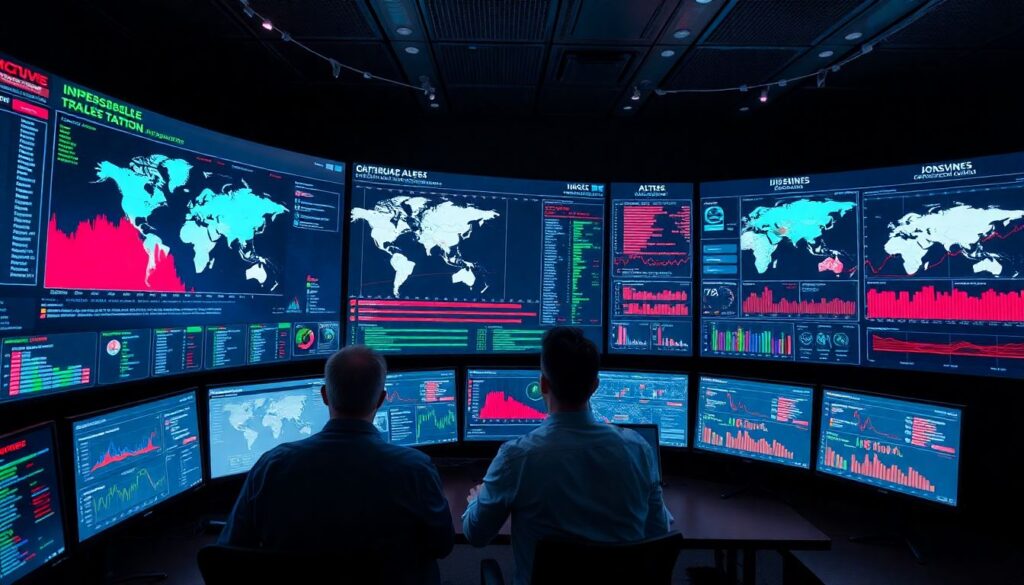
Once data flows reliably, shift focus to continual improvement. Start with a dozen high‑value detections: impossible travel logins, mass role assignments, sudden changes in network ACLs, or large data exfiltration from sensitive buckets. Review every alert: was it useful, noisy, or missing context? Refine thresholds and add enrichment such as asset criticality, business owner, or geo‑information. Automatically open tickets or send messages to chat when certain severities trigger, and create runbooks that guide responders through triage steps. Seasoned experts recommend a monthly review of your *monitoramento contínuo na nuvem siem* posture: prune unused rules, add detections for new services you adopted, and validate that on‑call engineers can navigate dashboards without assistance.
Make sure you run realistic detection exercises: simulate credential theft or misconfigurations and confirm your tooling catches it.
—
Troubleshooting and common pitfalls
Diagnosing gaps and noisy alerts
Most monitoring problems fall into two buckets: you’re missing important events, or you’re overwhelmed with useless ones. To find gaps, run through a hypothetical attack path and verify each step leaves a trace: compromised user logs in, escalates privileges, touches data, moves laterally. If any step lacks clear telemetry in your SIEM, adjust logging at the relevant service or API level. For noise, categorize alerts over a few weeks; identify rules that fire constantly but rarely lead to action. Experts suggest either enriching those alerts with more context, tightening conditions, or demoting them to low priority dashboards instead of inbox‑clogging notifications.
If teams start creating local log sinks or bypassing central pipelines to “reduce noise,” treat that as a red flag that your governance and tuning need attention.
When architecture becomes the problem
Sometimes no amount of tuning fixes the underlying issue because the architecture itself is fragmented. Multiple cloud accounts with inconsistent guardrails, different identity stores for each business unit, or separate logging solutions per platform make end‑to‑end monitoring nearly impossible. In such cases, step back and standardize: enforce common patterns for account creation, mandatory logging configurations, and shared identity controls. You may need to consolidate SIEM instances or move from on‑prem to cloud‑native analysis to keep up with data volumes. Senior architects stress that *ferramentas de logging e monitoramento cloud* work best when integrated into a coherent platform strategy, not sprinkled on top of ad‑hoc environments.
If you routinely duplicate queries across several tools just to answer basic questions, it’s time to rationalize and simplify your stack.
—
Expert recommendations and final guidance
Veteran cloud security engineers converge on a few practical lessons. First, treat monitoring as a product, not a project: it has a roadmap, stakeholders and continuous iterations. Second, invest early in people who understand both infrastructure and detection engineering; tooling alone doesn’t give you effective *melhores práticas de segurança e monitoramento em cloud*. Third, lean on managed *plataformas siem em nuvem para segurança* and native provider services when possible, and reserve custom builds for genuinely unique needs. Finally, regularly validate your defenses with red teaming or purple teaming, ensuring your *soluções de detecção de ameaças em tempo real na nuvem* actually trigger under realistic attack scenarios and that responders can act quickly with clear runbooks.
With this mindset, continuous monitoring turns from a compliance checkbox into a strategic capability that strengthens reliability, resilience and trust in your cloud environment.