Categoria: Guias
-

Falha crítica no gitea Cve-2026-20896 permite roubo de código e segredos
Falha crítica no Gitea é usada em ataques para roubar código e segredos Uma vulnerabilidade crítica no Gitea, identificada como CVE-2026-20896 e classificada com pontuação CVSS 9.8, está sendo explorada ativamente por atacantes para burlar a autenticação e assumir o controle de repositórios de código e segredos armazenados na plataforma. O problema afeta especificamente as…
-

Artoken: phishing em microsoft 365 rouba sessões sem senha e dribla Mfa
ARToken: novo painel de phishing facilita roubo de logins do Microsoft 365 sem senha Um painel de phishing recentemente identificado, batizado de ARToken, está oferecendo a criminosos digitais um meio simples e altamente automatizado de sequestrar sessões de login do Microsoft 365 – tudo isso sem que a vítima precise digitar ou revelar sua senha…
-
Efficient cloud Iam implementation: best practices, common mistakes and permission models
Efficient IAM in the cloud means centralising identities, enforcing least privilege, and continuously monitoring access across AWS, Azure and GCP. Start by mapping roles to business tasks, integrate corporate directories and SSO, choose a clear permission model (RBAC, ABAC or hybrid), then automate reviews, logging and remediation for safe, scalable operations. Core IAM objectives for…
-
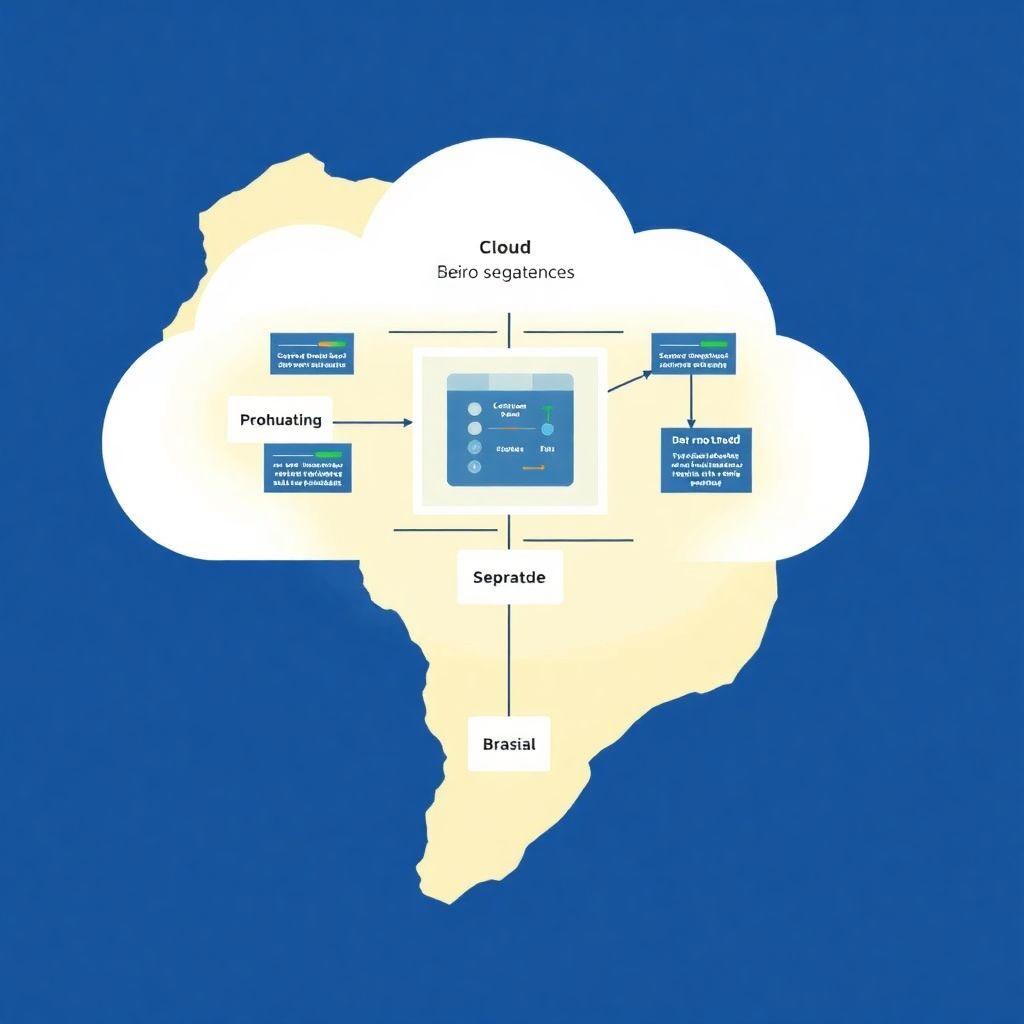
Advanced network segmentation and microsegmentation strategies in cloud providers
Advanced network segmentation and microsegmentation in cloud providers lets you restrict lateral movement, isolate tenants, and enforce Zero Trust using identities and workloads instead of flat IP ranges. This guide shows how to design segmented architectures, choose enforcement mechanisms, automate policies, and validate performance and compliance safely in Brazilian cloud environments. Expected security and operational…
-
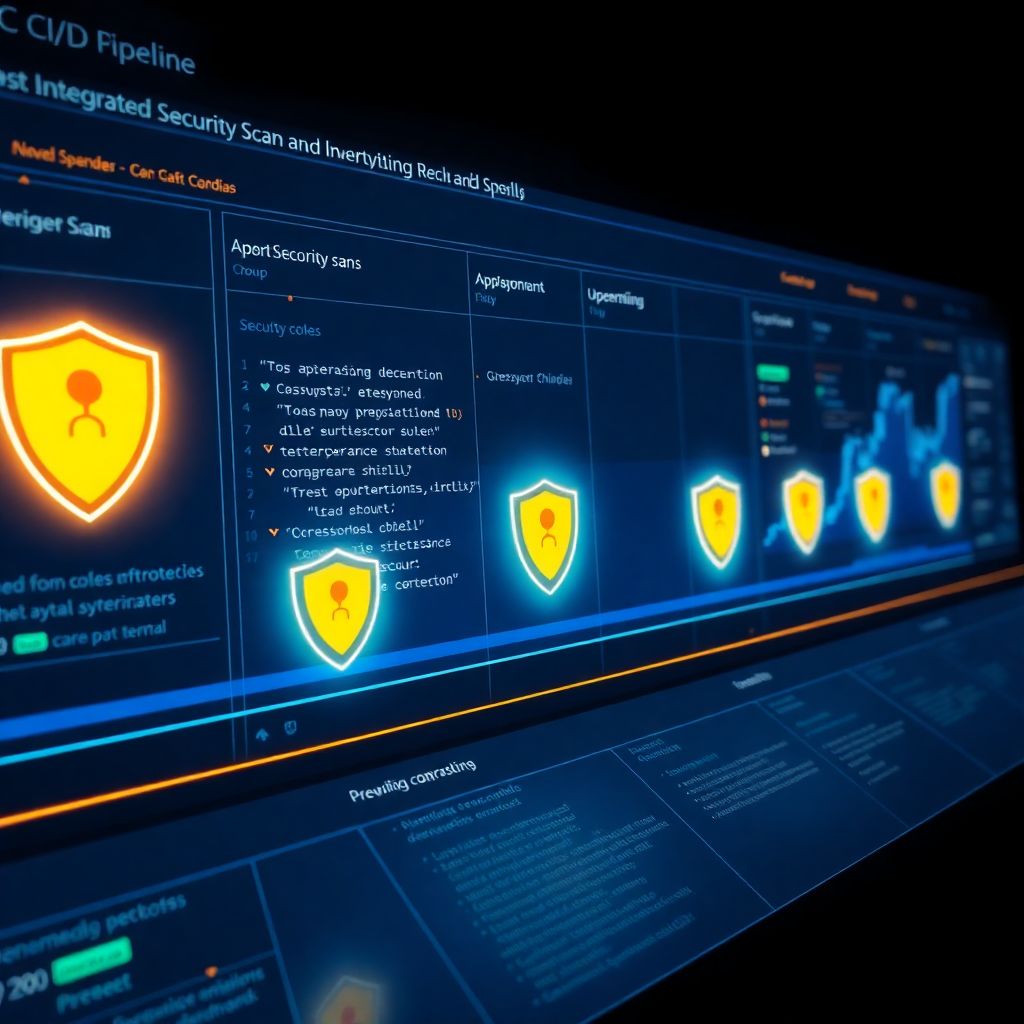
Devops security and devsecops: integrating tests into the Ci/cd pipeline
To secure DevOps and DevSecOps environments, embed security controls directly into your CI/CD pipeline. Start with threat modeling, then automate SAST, SCA, DAST and secrets scanning at appropriate stages. Use policy-as-code to enforce rules, monitor continuously, and keep the setup simple enough that teams actually maintain and improve it over time. Critical security objectives for…
-

Threat modeling for cloud native applications: key strategies and tools
Threat modeling for cloud-native applications is a repeatable process to map your architecture, identify critical assets, think like realistic attackers, and prioritize risks with concrete controls. For Brazilian teams building on Kubernetes and managed cloud services, start small, automate where possible, and integrate with CI/CD instead of running one-off, heavyweight workshops only. Operational summary checklist…
-

Open source cloud security tools review: scanners, iac, Sast, Dast
For most Brazilian teams, the fastest way to implement cloud security with open source is to combine: Semgrep or SonarQube Community for SAST, OWASP ZAP for DAST, Checkov or tfsec for IaC, and Trivy for containers. Integrate them in CI/CD first, then expand with policy-as-code and runtime checks. At-a-glance security snapshot Start by mapping your…
-

Cloud cybersecurity trends for coming years with Ai, automation and emerging threats
Cloud cybersecurity in the next years will be shaped by AI‑driven attacks, large‑scale automation and fast‑evolving threat models around data, identity and software supply chain. For segurança em nuvem para empresas in Brazil, practitioners must combine AI‑assisted defense, zero‑trust‑by‑default and secure automation pipelines instead of isolated tools or manual processes. Core trends shaping cloud security…
-
How to conduct a cloud-native workloads vulnerability assessment in the cloud
A focused vulnerability assessment for cloud-native workloads means mapping every container, serverless function, and cluster component, then running automated scans plus targeted configuration reviews in a controlled way. In a pt_BR context, prioritize Kubernetes, CI/CD and cloud IAM, produce clear risk scores, and track remediation through tickets with verification checks. Prep item What is needed…
-

Future cloud security trends: Ai, Sase and confidential computing
Future cloud security will be shaped by AI-driven analytics, SASE-based access, confidential computing, and stricter data governance. For Brazilian teams, the priority is combining serviços de inteligência artificial para segurança em cloud with zero-trust design, multi-cloud visibility, and automation aligned with LGPD, while planning early for confidential computing provedores e plataformas. Executive summary: emerging vectors…