Categoria: Revisões de Ferramentas
-

Cloud backup strategies, disaster recovery and business continuity guide
Cloud backup and disaster recovery in Brazil start with clear RTO/RPO, automated backups across regions, and frequent recovery testing. Combine backup em nuvem para empresas with documented failover, security controls, and a plano de continuidade de negócios em nuvem that your team can execute, not just store in a folder. Pre-deployment checklist for cloud resilience…
-

Cloud vulnerability management: how to build an efficient program
If you want an effective program for gestão de vulnerabilidades em cloud, define clear scope and ownership, build continuous asset inventories, use risk-based assessment, enforce structured remediation workflows, automate via pipelines and APIs, and track a small set of outcome-focused metrics. If you align all this with business priorities, risk actually goes down. Core principles…
-

Security checklist for migrating on‑premise data centers to the cloud
A practical security checklist for migração de data center para nuvem starts with strict asset inventory, risk‑based classification and minimization. Then you harden network connectivity, identity and access, and data protection using encryption and key management. Finally, you validate with tests, logging, incident playbooks and clearly defined rollback triggers before any production cutover. Essential security…
-

Api security in cloud-based serverless and microservices architectures
To secure APIs in cloud-native microservices and serverless architectures, centralize exposure through an API gateway, enforce strong identity and least-privilege authorization, isolate workloads by design, manage secrets safely, and instrument everything for monitoring. Focus on high‑risk entry points first, then iterate with threat modeling and automated security tests. Security highlights and prioritized risks Centralize external…
-

Real cloud incident analysis: lessons learned and security controls to prevent attacks
To fix a live cloud security incident safely, first freeze risky changes, run read-only checks, confirm the entry point, and isolate only affected components. Then apply minimal, reversible fixes, validate logs and access paths, and plan lasting controls so the same attack cannot happen again. Immediate incident highlights and impact summary Users usually see slow…
-
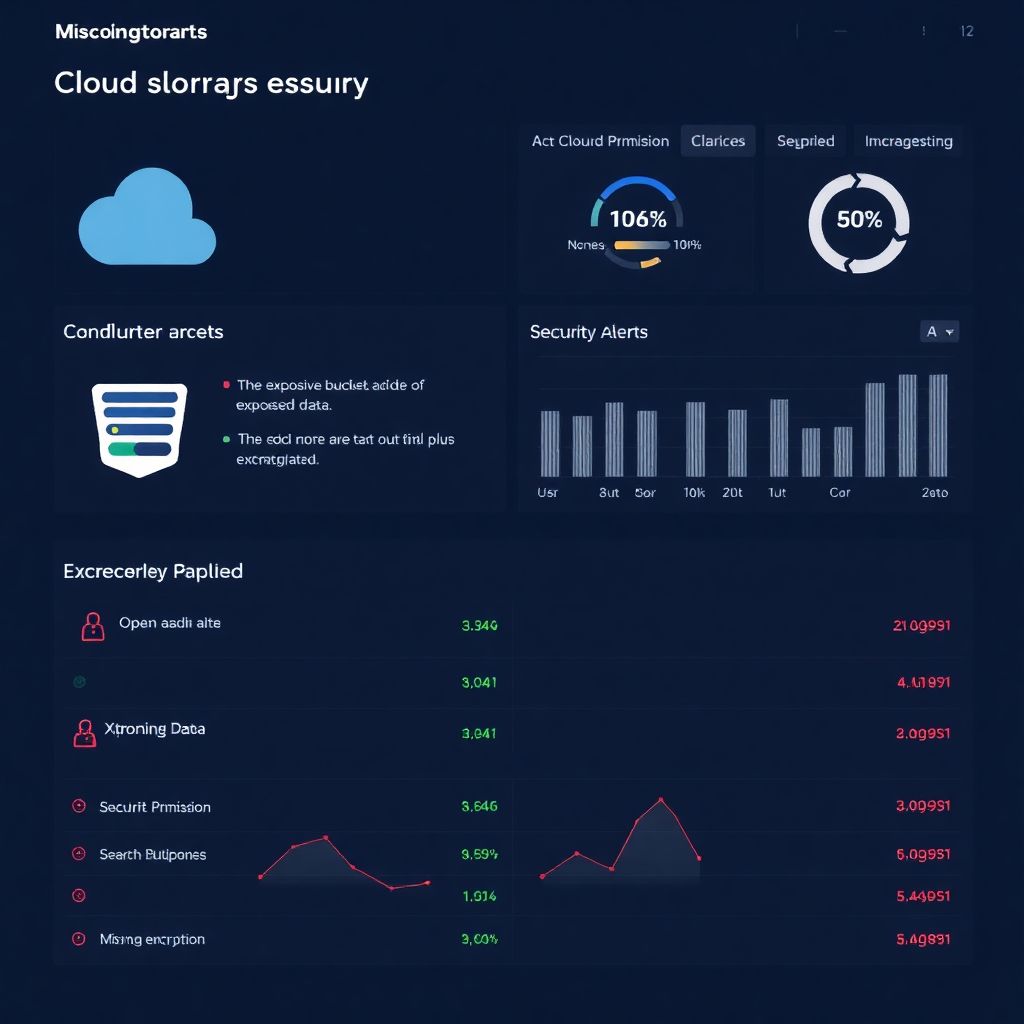
Common cloud storage bucket misconfigurations and how to prevent them
Misconfigured cloud buckets usually expose data publicly, grant excessive permissions, skip encryption, or lack logging and lifecycle controls. To avoid the most common erros de configuração em cloud storage, standardize private‑by‑default settings, use least‑privilege IAM, enforce encryption at rest and in transit, enable logging, and regularly audit configurations with automated tools. Critical misconfiguration overview and…
-

Cloud incident monitoring and response: from telemetry to automated playbook
Cloud incident monitoring and response combines telemetry collection, correlation and automated playbooks to detect, contain and remediate attacks quickly. For Brazilian organizations using AWS, Azure or GCP, the priority is to centralize logs, tune alerts to real risks, and use safe, audited automations instead of ad‑hoc manual actions. Essential telemetry and response highlights Centralize cloud…
-
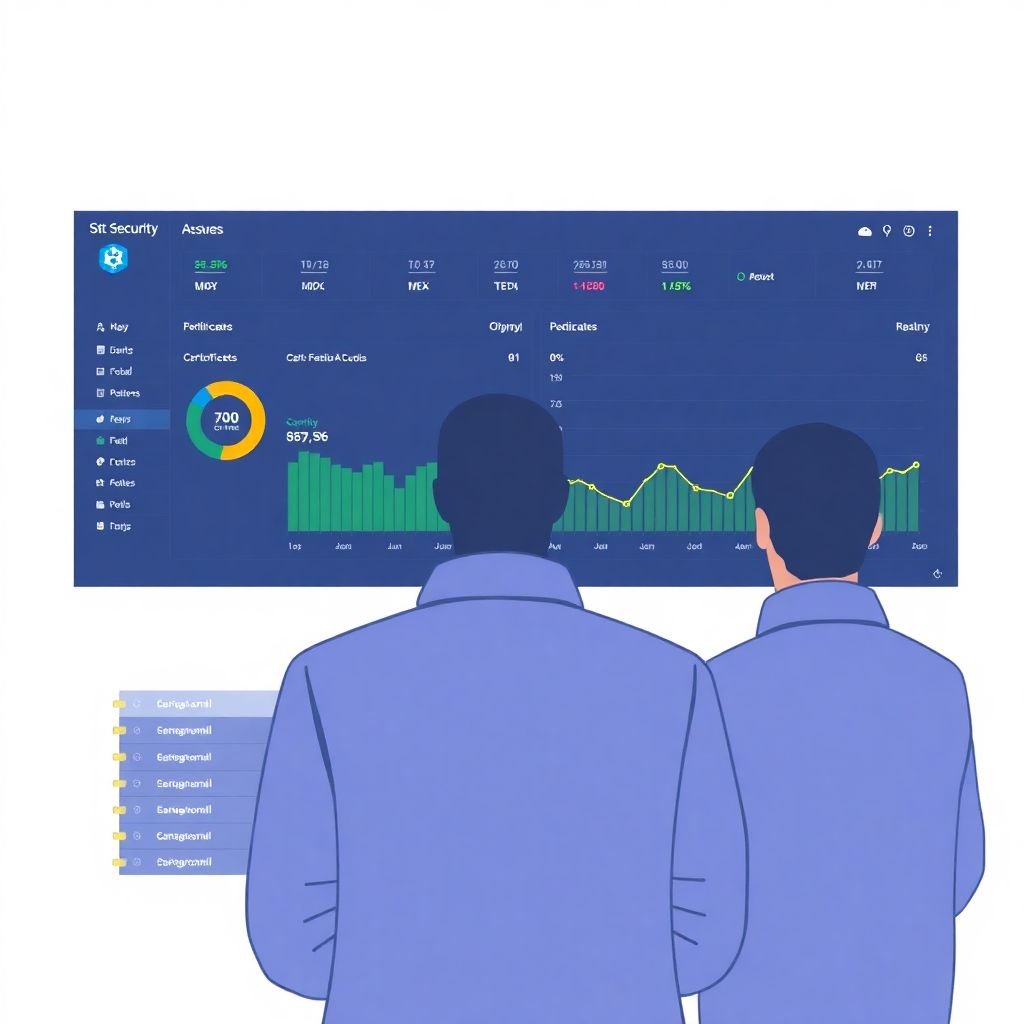
Key and secret management in complex cloud environments with secure certificates
To manage keys, secrets and certificates in complex cloud environments, centralize policy, automate lifecycle, and enforce least privilege across AWS, Azure and GCP. Use native key and secret managers plus a multicloud overlay, standardize rotation, and build observability and incident playbooks tightly integrated with CI/CD and runtime platforms like Kubernetes. Core controls for keys, secrets…
-

Cspm tools comparison: which cloud security solution fits your environment best?
The best CSPM for your environment depends on cloud footprint, level of automation you can safely adopt, compliance pressure and budget flexibility. Start by mapping your main risks (exposed services, misconfigs, compliance gaps), then choose between cloud‑native, DevSecOps‑focused, compliance‑centric or enterprise CSPM suites based on integration and operational fit. Selection snapshot: which CSPM wins for…
-

Cloud security strategy from scratch for growing companies: step‑by‑step guide
To create a cloud security strategy from zero for a growing company, start by defining business-critical assets, risk appetite, and compliance needs, then map them to cloud provider controls. Standardize identity, least privilege, and encryption, add monitoring and incident response, and only then scale with governance that matches your team’s real capacity. Core Security Objectives…