Categoria: Revisões de Ferramentas
-

Security-focused cloud monitoring and observability: logs, metrics and alerts
Cloud security monitoring with observability means sending all critical cloud logs, metrics and alerts into a central, security-first pipeline. You design a minimal architecture, collect and normalize data, choose security metrics, build focused alerts, define safe retention and access controls, and continuously test and tune to avoid both blind spots and alert fatigue. Security-Focused Observability…
-

Cloud security strategy for enterprises: how to build a complete protection framework
To build a complete cloud security strategy for large enterprises, start by mapping business-critical assets and risks, then define governance and policies, design a secure cloud foundation, harden identity and access, protect data end-to-end, and establish strong detection and incident response. Evolve through pilot, scale-out and continuous improvement, aligned with Brazilian regulatory context. Critical Strategy…
-

Secure cloud migration guide: security checklist before, during and after
A secure cloud migration guide must give you a clear migração segura para cloud checklist de segurança, split into actions before, during and after cutover. Focus on data protection, identity and access, network boundaries, monitoring and incident readiness. Start small, validate each stage and document every change for auditability and rollback. Preflight security snapshot Map…
-

Real cloud environment attack analysis: lessons learned and practical defenses
Real cloud incidents usually start with subtle anomalies: strange IAM activity, unusual egress traffic, or unexpected cost spikes. To fix issues safely, begin with read-only checks, confirm whether you have active compromise, then contain using least-disruptive controls before revoking access or shutting workloads, always aligning with internal change management and incident-response processes. Primary Lessons from…
-

Cloud sensitive data protection strategies with encryption, tokenization and masking
Protecting sensitive cloud data for Brazilian businesses requires combining strong encryption, careful tokenization and pragmatic data masking, guided by a clear classification model. Focus on business-critical data flows, use managed cloud cryptography, isolate keys, and apply tokenization or masking where raw values are not operationally needed, integrating controls into CI/CD and continuous monitoring. Critical Considerations…
-

Cloud provider security assessment: technical due diligence checklist guide
To evaluate cloud provider security safely, combine a structured technical checklist, documentary evidence, and controlled tests. Focus on identity and access, data protection, network isolation, monitoring, and resilience. For Brazilian companies (pt_BR), also map provider controls to LGPD and sector norms, and document what remains your responsibility versus the provider or partners. Critical Assessment Summary…
-
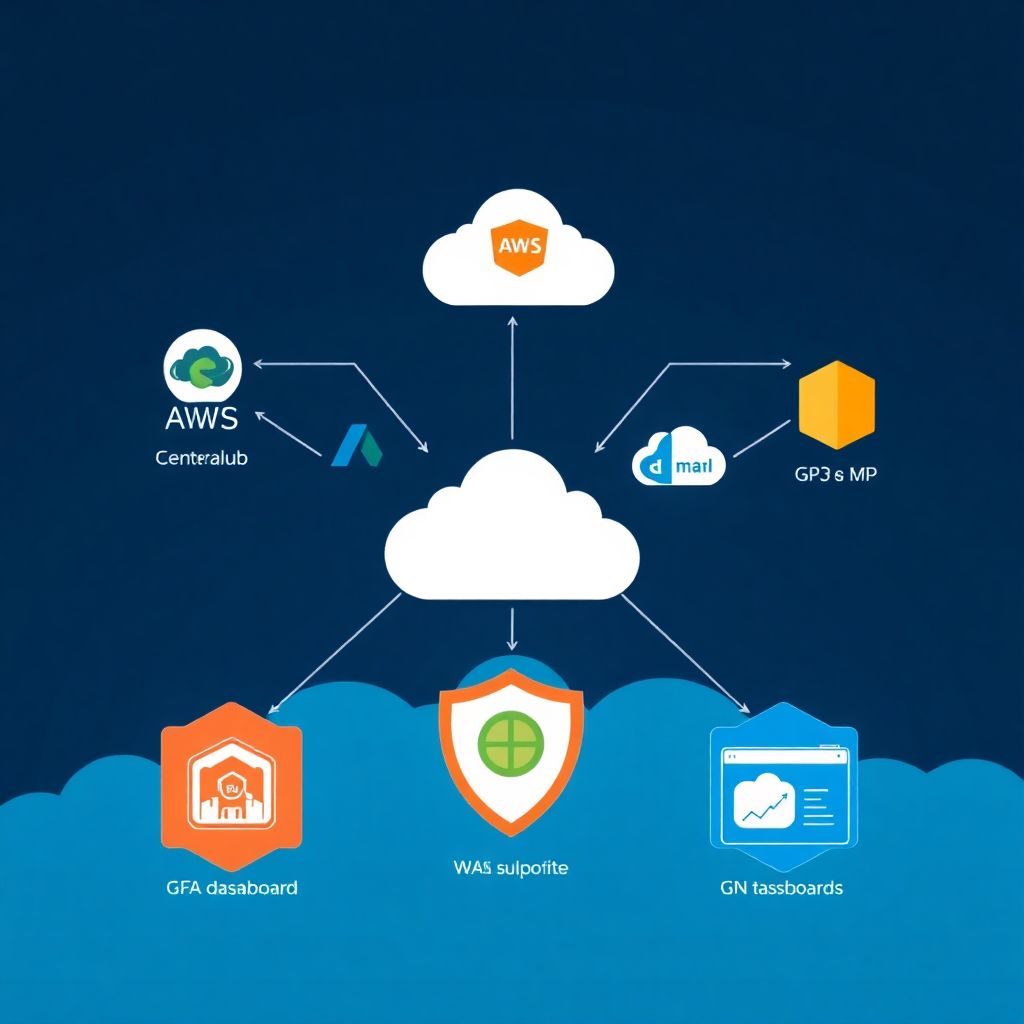
Secure identity and access management in Aws, azure and Gcp
To implement secure identity and access management (IAM) in AWS, Azure, and GCP, start by centralizing identities, enforcing least privilege, and standardizing authentication and authorization patterns. Use native cloud IAM capabilities, strong MFA, and consistent role designs. Continuously monitor, audit, and refine permissions across all environments to maintain segurança and compliance. Critical IAM Principles for…
-

Cloud security strategy aligned with Lgpd and key compliance regulations
A practical cloud security strategy aligned to LGPD and other compliance norms starts with mapping personal data in all cloud services, defining lawful bases and retention, and then applying proportional technical and organizational controls. Combine encryption, IAM, monitoring, vendor governance, and clear processes for incidents, DPIAs, and data subject rights, documented with audit‑ready evidence. Core…
-

Network segmentation and cloud microsegmentation guide to reduce attack surface
Network segmentation and microsegmentation in cloud reduce attack surface by isolating workloads, enforcing least privilege, and limiting lateral movement. For pt_BR organizations, start with a simple, default-deny model, use labels and security groups consistently across clouds, and evolve to zero trust policies as you gain visibility, monitoring, and operational maturity. Core objectives for reducing attack…
-

Cloud-native incident monitoring and response: essential tools and strategies
Cloud-native incident monitoring and response means combining strong observability, clear SLOs, focused alerts, and repeatable playbooks across Kubernetes, microservices, and managed cloud services. You need integrated logs, metrics, traces, and events, tuned escalation paths, plus safe containment and recovery patterns that match how your clusters, service mesh, and CI/CD pipelines actually work. Operational essentials for…