Categoria: Manuais
-
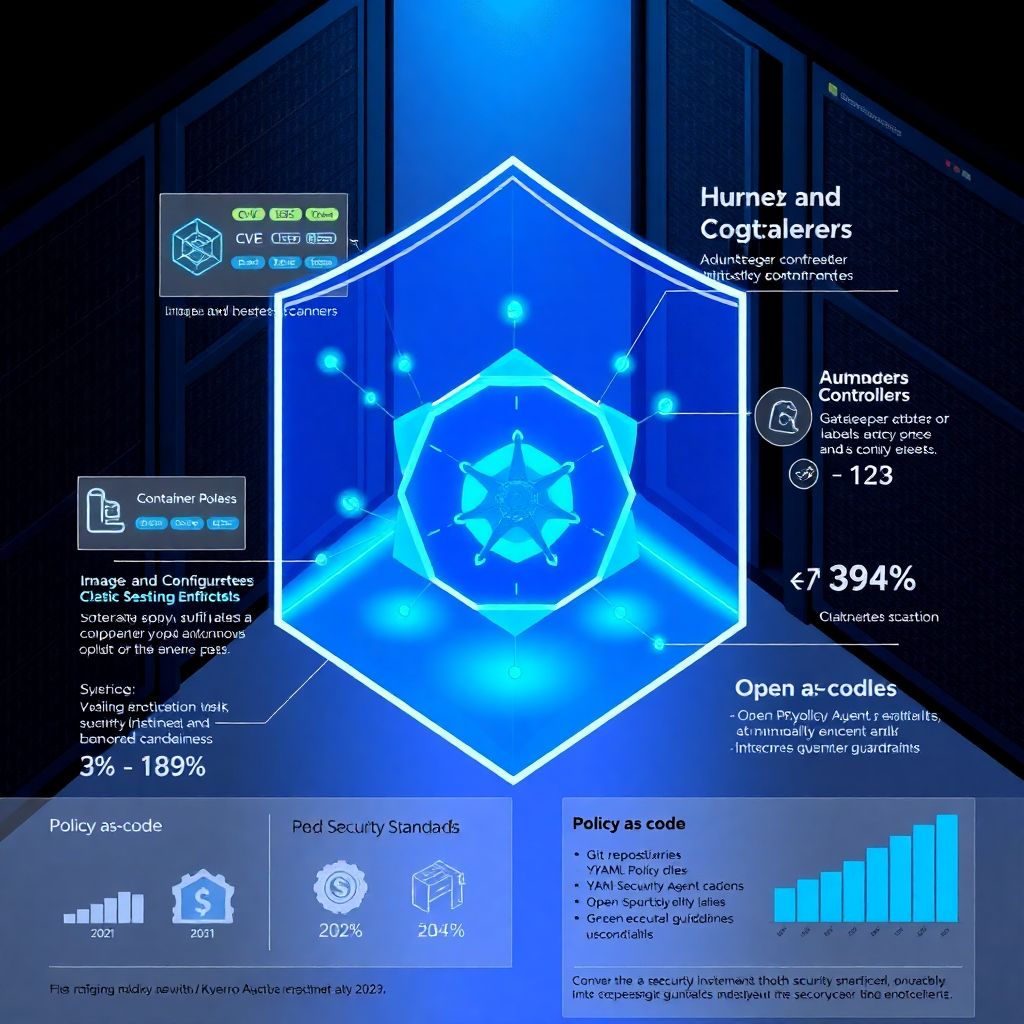
Kubernetes security tools review with scanners, admission controllers and policies
In the last five years Kubernetes quietly became the de‑facto substrate for modern apps, and only then did many teams realize how porous their clusters actually were. CNCF surveys show that from 2021 to 2023 the share of organizations running Kubernetes in production jumped from roughly 83% to above 90%, while reports from Sysdig and…
-

Cloud threat monitoring and detection with Siem, Xdr, native logs and correlation
Cloud security monitoring and threat detection look very different today than even five years ago. Between Kubernetes, serverless, SaaS, and three different hyperscalers in the same company, “just install an agent and send some syslog” no longer works. In this article we’ll unpack, in a practical and conversational way, how SIEM, XDR, native logs and…
-
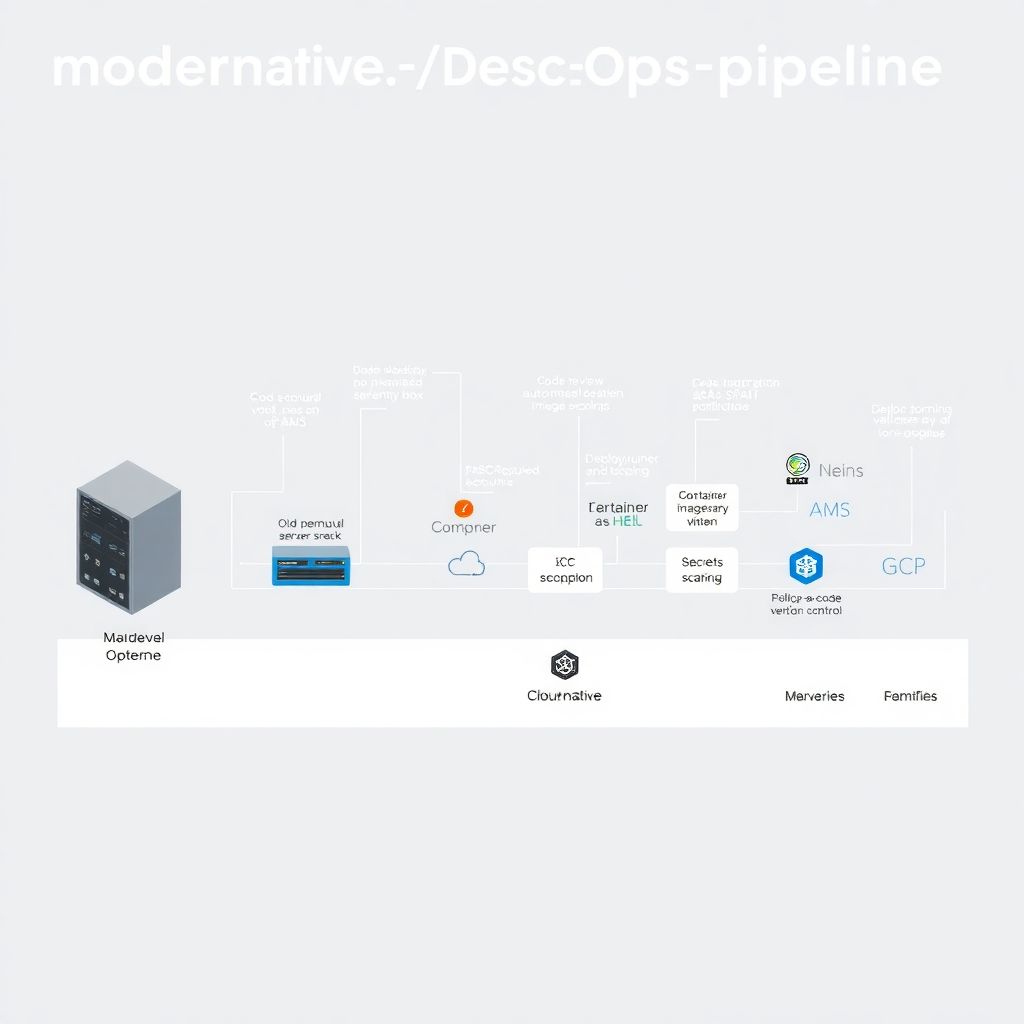
Cloud-native devsecops pipeline: how to build it with tools and real examples
Por que falar de DevSecOps nativo em nuvem agora Quando todo mundo começou a migrar para a nuvem, a conversa era só sobre custo e escalabilidade. Segurança entrava no papo bem depois, quase como um “checklist” final. Hoje o cenário virou: ataques automatizados, supply chain comprometida e dependência pesada de serviços gerenciados forçaram as empresas…
-
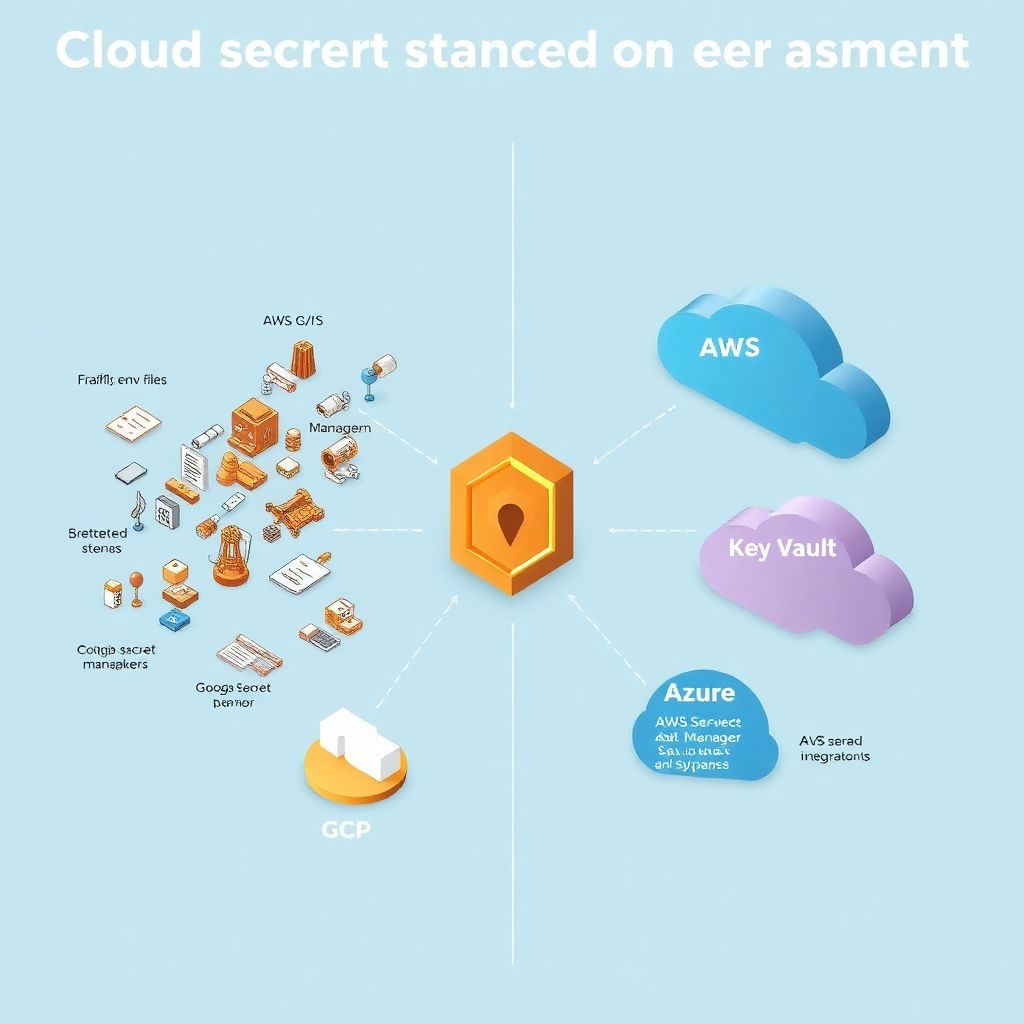
Cloud secret management tools review and use cases for vault and more
Why cloud secret management matters more than ever If you’re putting real workloads in the cloud, you’re already juggling API keys, database passwords, TLS certificates, tokens and encryption keys. At small scale, those “temporary” .env files and copy‑pasted secrets in CI configs might feel harmless. But as soon as multiple teams, environments and clouds enter…
-

Cloud Soc creation guide: processes, Siem Soar tools and log integration
Por que um SOC em cloud é diferente Montar um SOC tradicional já é desafiador; criar um SOC focado em ambientes cloud adiciona outra camada de complexidade. Você lida com infra elástica, serviços gerenciados, múltiplas contas e uma enxurrada de logs que mudam o tempo todo. Em vez de pensar só em firewalls e servidores,…
-
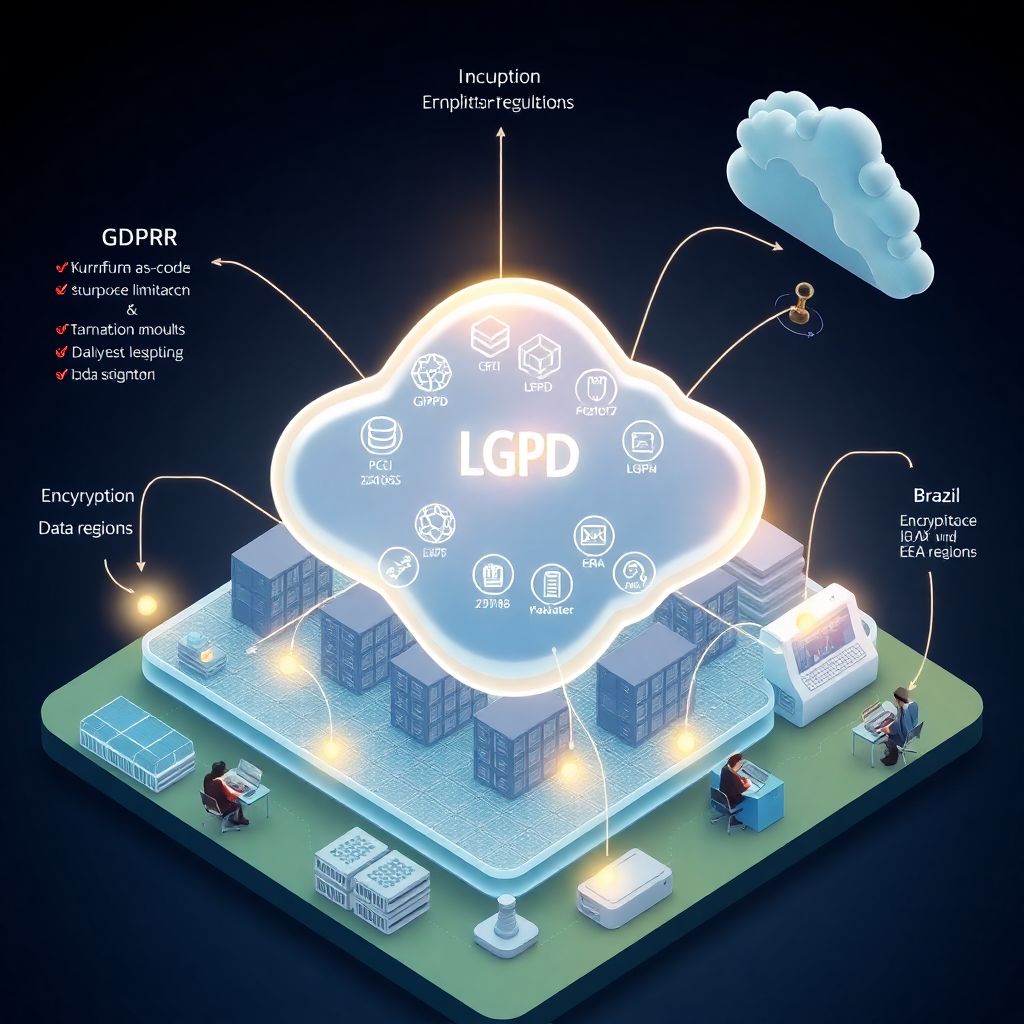
Cloud regulation and compliance trends for Lgpd, Gdpr and security standards
Regulatory landscape in the cloud: why it suddenly got serious Cloud compliance stops being “nice to have” Cloud regulation isn’t just catching up; it’s overtaking how companies design architecture. LGPD and GDPR are no longer read only by lawyers – architects, DevOps and product teams now need to know what “minimization” or “legitimate interest” means…
-
Implementing Iam at scale in hybrid and multicloud environments: best practices
Por que IAM em larga escala virou pauta de board Quando empresas operavam em um único data center, gestão de identidade era basicamente criar contas no AD e seguir a vida. Em 2026, não dá mais. Pesquisas da Gartner indicam que mais de 75% das grandes empresas já usam ao menos duas nuvens públicas, enquanto…
-

Container image vulnerability analysis: tools, workflows and key metrics
Historical context of container and image vulnerability analysis Back when Docker was still a novelty, most teams treated containers as just another packaging format and barely thought about attack surfaces. Around 2015–2018, the main focus was on securing the host and maybe adding a basic scanner de vulnerabilidades para imagens docker right before pushing to…
-
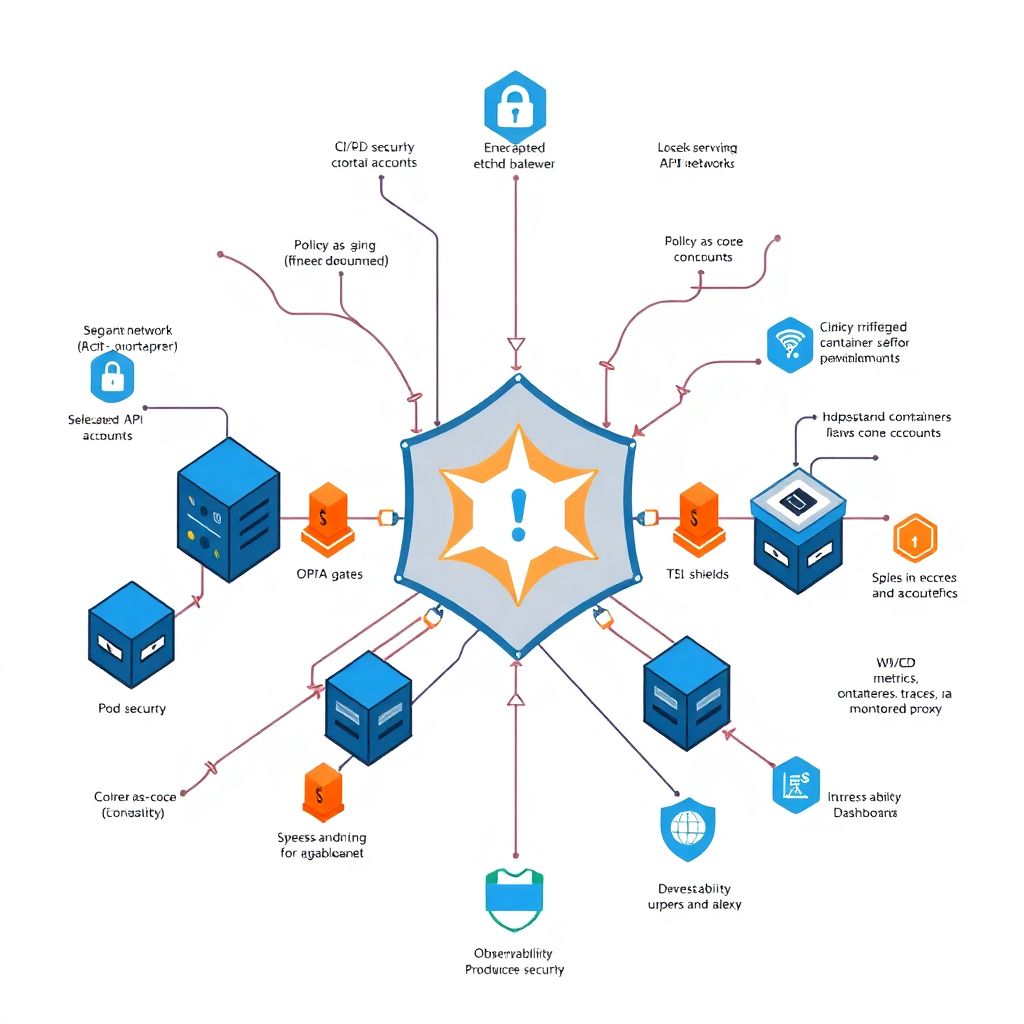
Practical kubernetes hardening guide from cluster security to production workloads
Why hardening Kubernetes hurts (until it doesn’t) If you’ve ever tried to “secure the cluster later”, you already know how this story goes: messy RBAC, random Helm charts from the internet, half‑configured network policies, and a vague hope that the cloud provider’s defaults are “good enough”. They aren’t. Hardening Kubernetes is painful mainly because it…
-
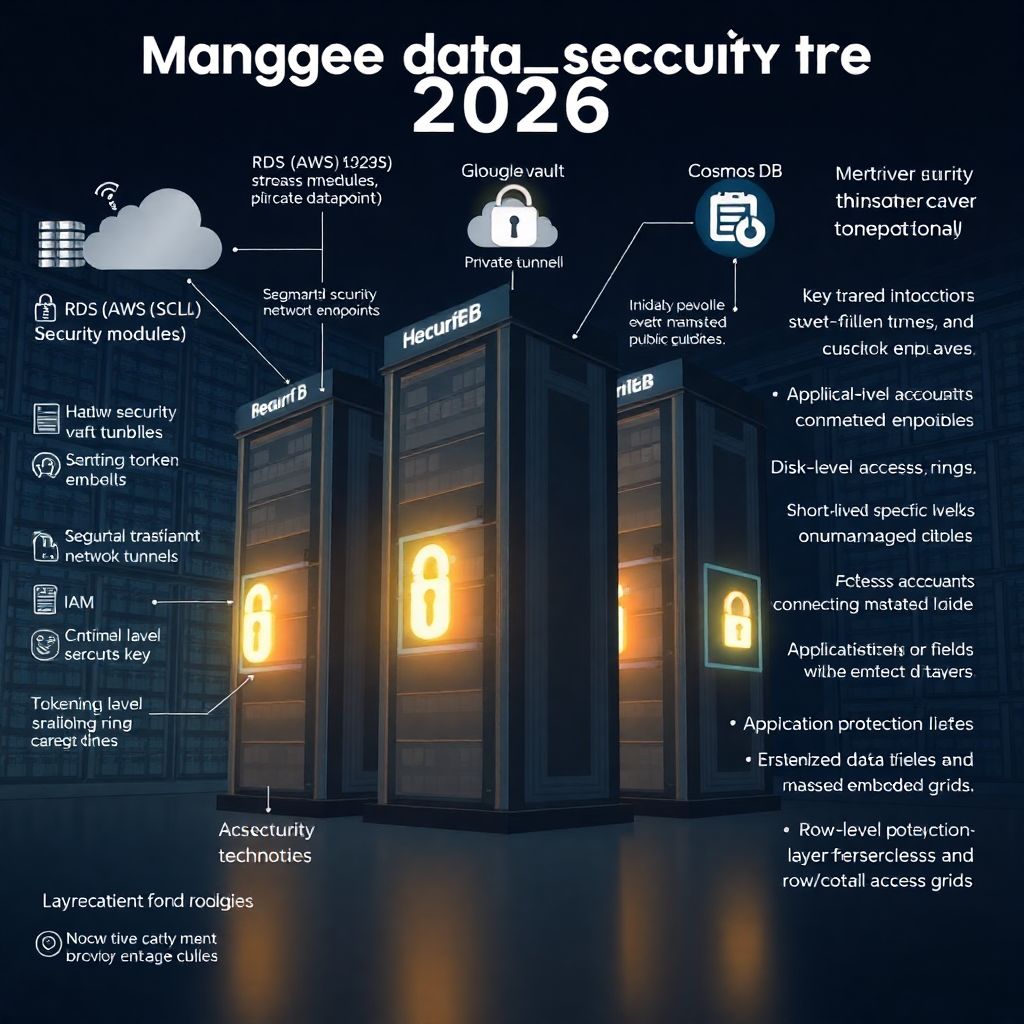
Sensitive data protection best practices in managed databases Rds, cloud Sql, cosmos Db
Why managed databases changed the security game If you work with data long enough, you see the pendulum swing. In the 2000s everyone ran their own SQL servers; security meant firewalls, some backups and a lot of wishful thinking. When AWS RDS arrived, then Cloud SQL and later Cosmos DB, teams rushed to “outsource hassle”…