Categoria: Artigos
-
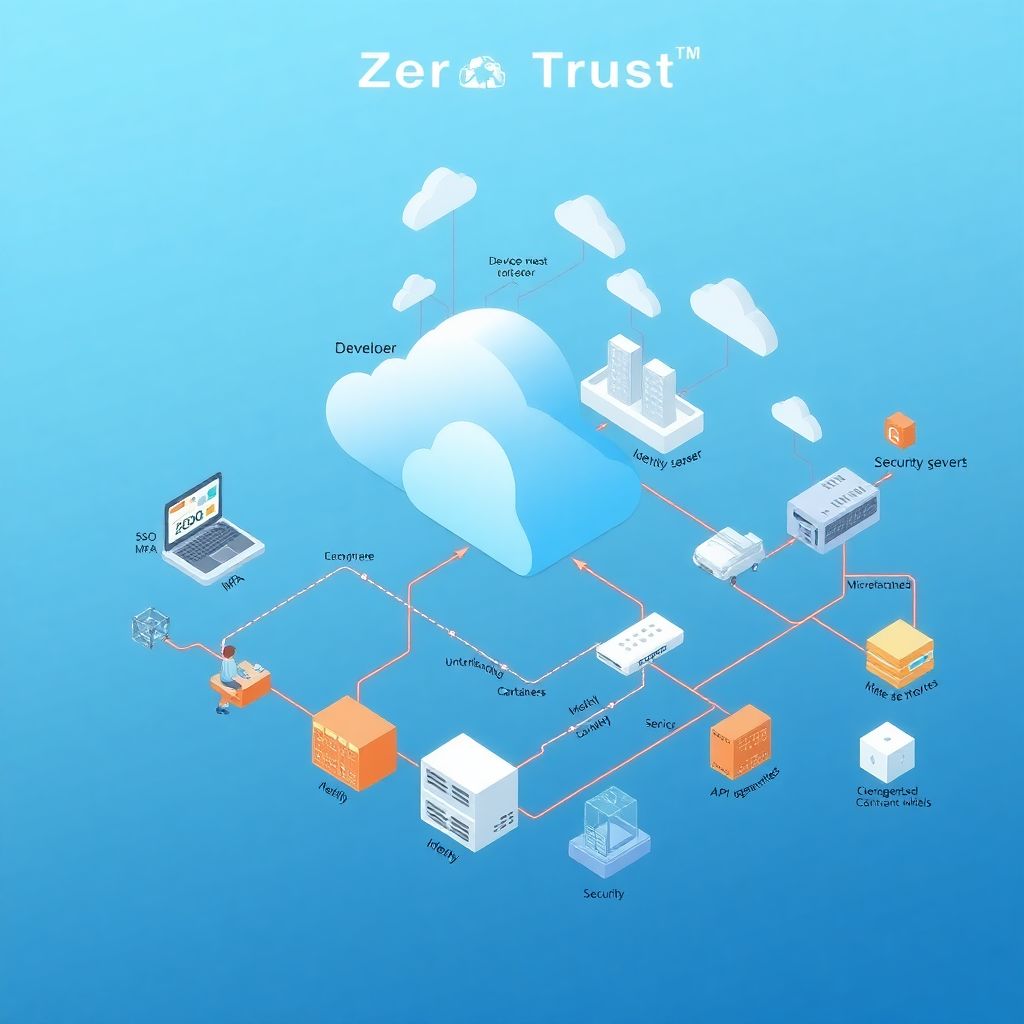
Zero trust in cloud environments: practical guide from theory to production implementation
Why Zero Trust in the Cloud Stopped Being Optional If you run anything serious in the cloud today, you’re already living in a world where the old “castle and moat” security model quietly broke down. VPNs, flat networks, implicit trust between services – all of that was designed for a time when your apps lived…
-
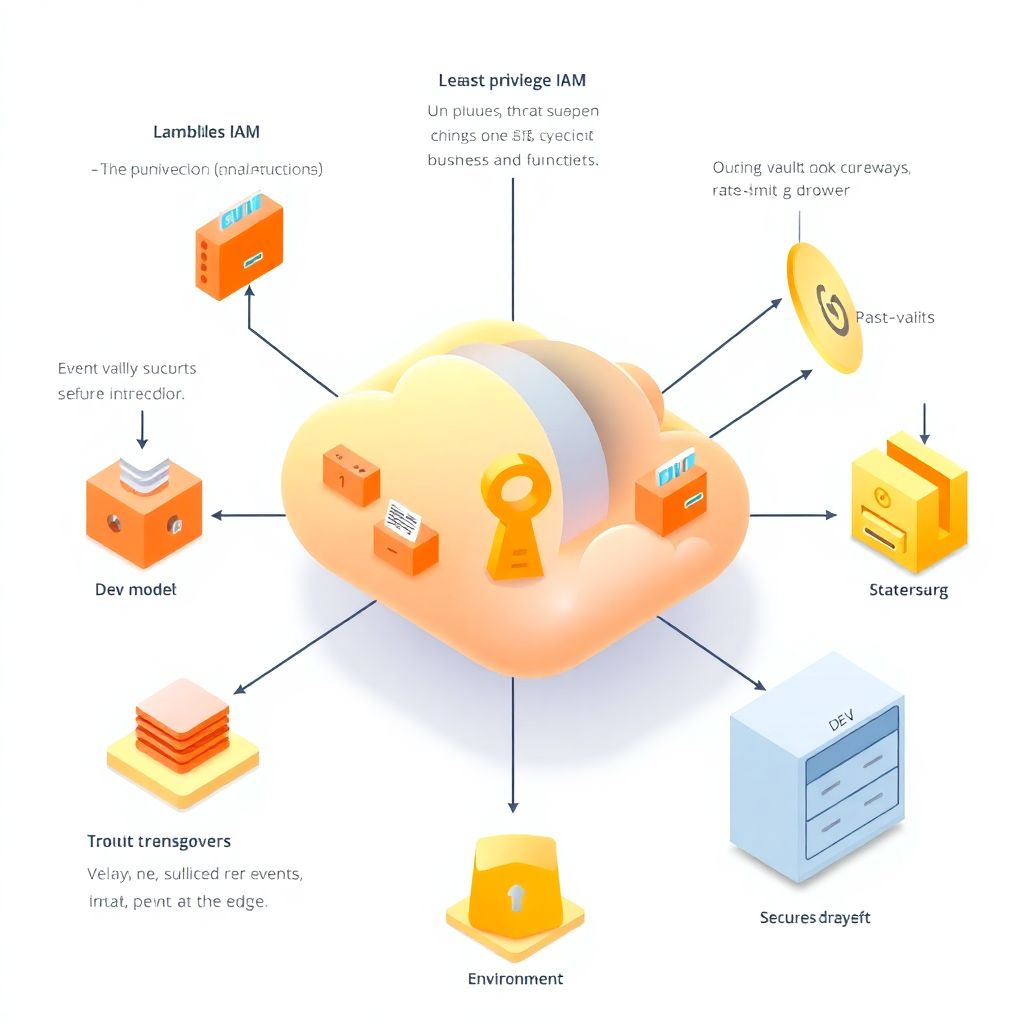
Serverless security heuristics and best practices for functions as a service
Por que segurança em serverless parece simples, mas não é Quando alguém migra para funções como serviço, é comum ouvir: “não tenho servidor, logo estou mais seguro”. Isso é só metade da verdade. O provedor de nucloud realmente cuida de muita coisa pesada, mas a superfície de ataque muda em vez de sumir. A segurança…
-
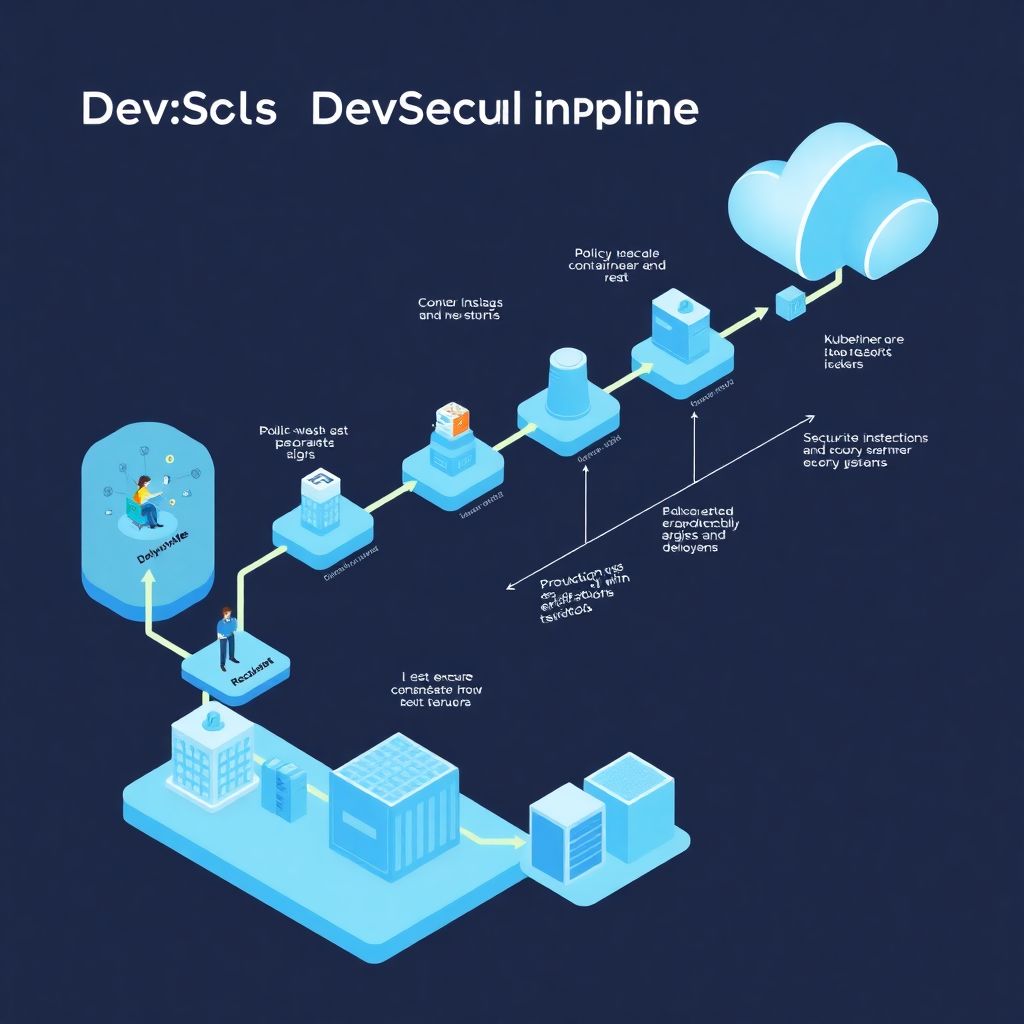
Devsecops pipeline for cloud workloads: continuous integration with security by default
Why DevSecOps for cloud workloads looks different in 2026 In 2026, setting up a DevSecOps pipeline for cloud workloads is no longer just “CI/CD plus a few security scans”. Cloud platforms have evolved, attacks have become more automated, and regulations have caught up. At the same time, you have far better tooling and managed services…
-

Security automation in Ci/cd pipelines for safe and compliant cloud deployment
Por que falar de segurança em CI/CD na nuvem em 2026 Automação de segurança em CI/CD deixou de ser diferencial faz tempo; em 2026 é praticamente requisito mínimo para qualquer equipe que faz deploy em cloud em ritmo acelerado. Com IA ajudando a escrever código e gerar pipelines, o volume de mudanças disparou e, junto…
-
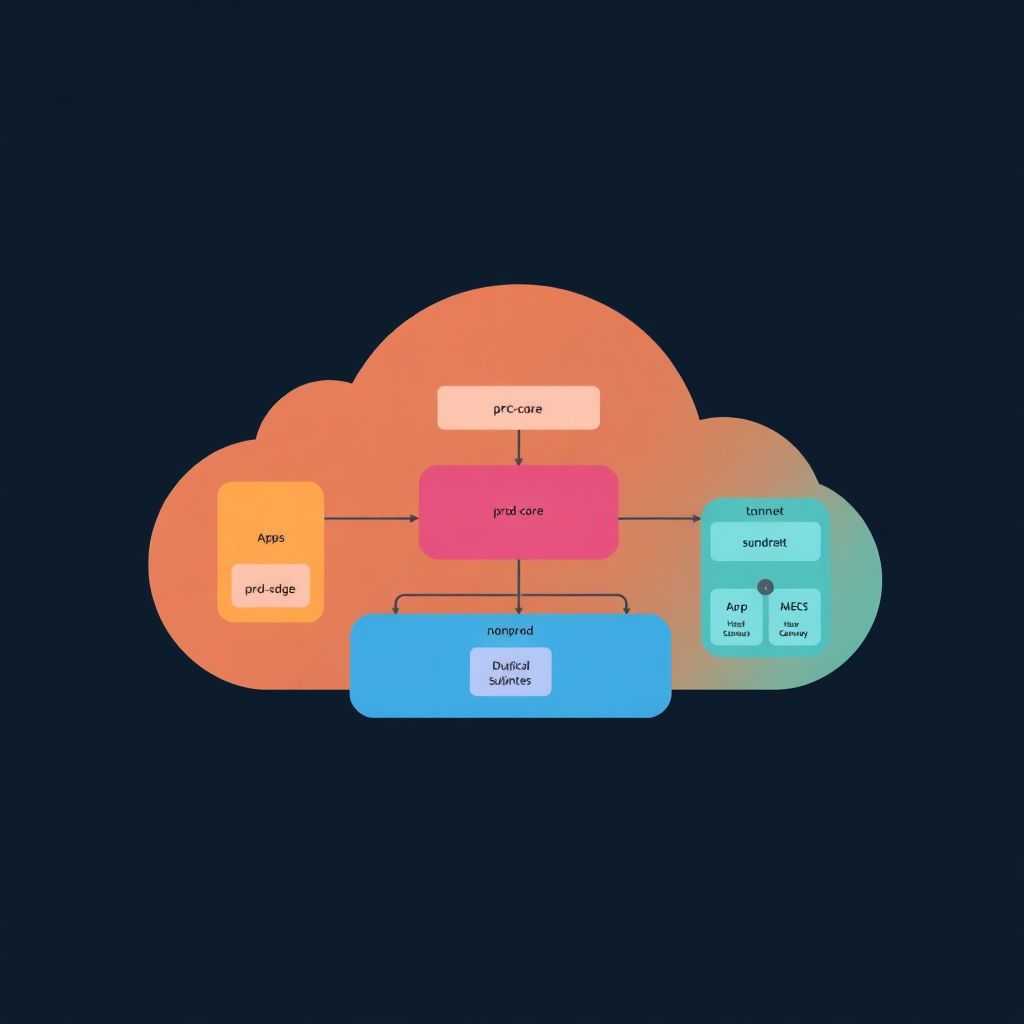
Network segmentation and microsegmentation in vpcs and vnets: implementation guide
Por que segmentação de rede em VPCs e VNets não é mais opcional Quando você começa pequeno na nuvem, tudo cabe em uma única VPC ou VNet “flat”: poucas sub-redes, poucos security groups, quase nada de controle de tráfego interno. Funciona… até o dia em que: – alguém expõe uma porta interna para o mundo…
-

Real cloud incident analysis: lessons learned from major data breaches
Por que ainda tropeçamos em grandes vazamentos na nuvem Os grandes provedores de cloud estão mais maduros, a criptografia é padrão e, mesmo assim, os incidentes continuam aparecendo nas manchetes. A contradição é só aparente: a maioria dos grandes vazamentos em nuvem nasce menos de falhas “mágicas” de tecnologia e mais de decisões ruins, pressa…
-

Continuous security monitoring in cloud-native environments with Siem and Soar
Why continuous security monitoring in cloud-native feels different From static perimeters to living, breathing environments Cloud‑native security monitoring is messy because your environment never sits still. Pods are born and die in seconds, IPs are ephemeral, and half of your stack is a managed service you don’t fully see. Traditional SOC playbooks that assume stable…
-

End-to-end encryption and key management in the cloud using Kms
Quando a conversa é proteger dados sensíveis na nuvem, não existe “meio termo”: ou você leva gestão de chaves e criptografia ponta a ponta a sério, ou aceita o risco de vazamento. A boa notícia é que hoje dá para montar uma solução madura usando KMS na nuvem sem virar um cripto-gênio. A ideia deste…
-
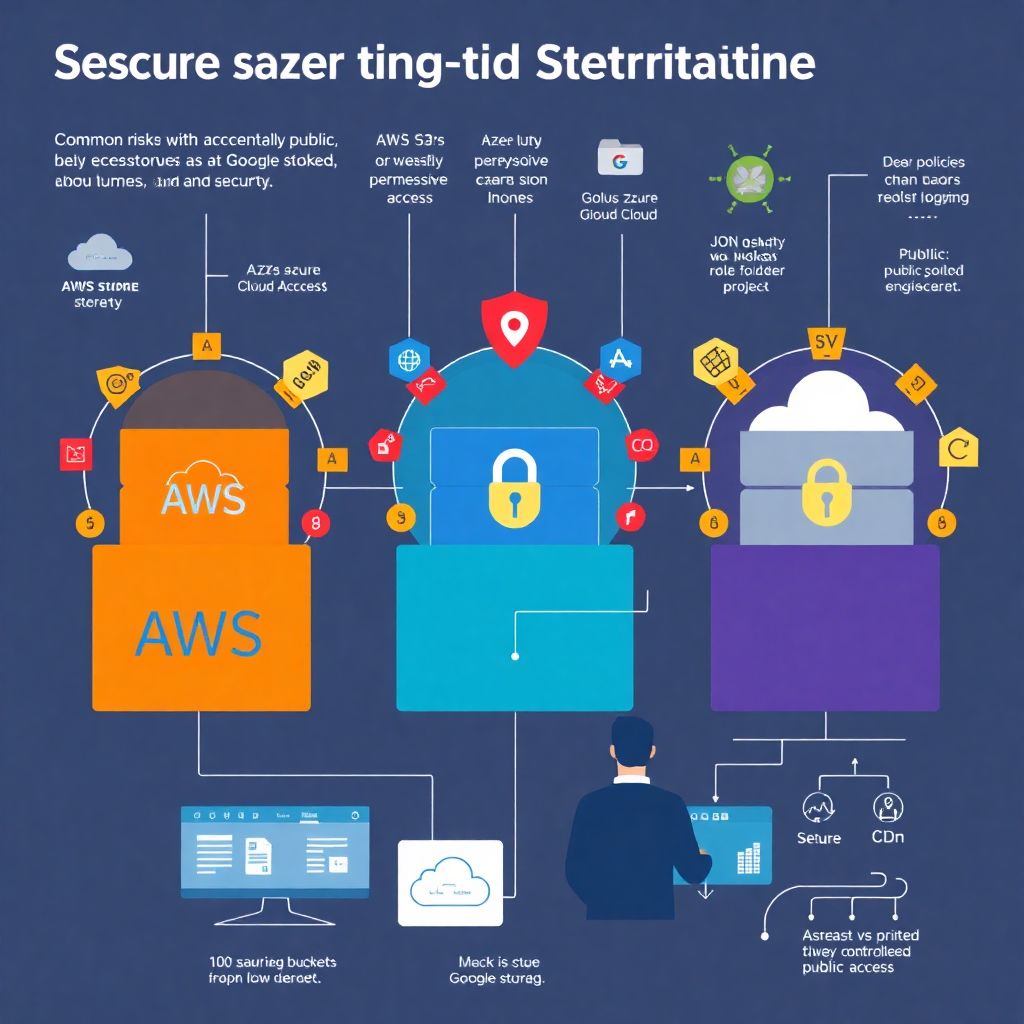
Secure setup guide for S3 buckets, blob storage and cloud object storage
Antes de mais nada, vamos alinhar a ideia: buckets S3, Blob Storage e afins são, na prática, o “disco rígido” público da nuvem. Quando mal configurados, viram vitrine de vazamento de dados; quando bem tratados, são quase aborrecidamente seguros. Este guia é um passo a passo prático, em tom direto, para você sair do “acho…
-
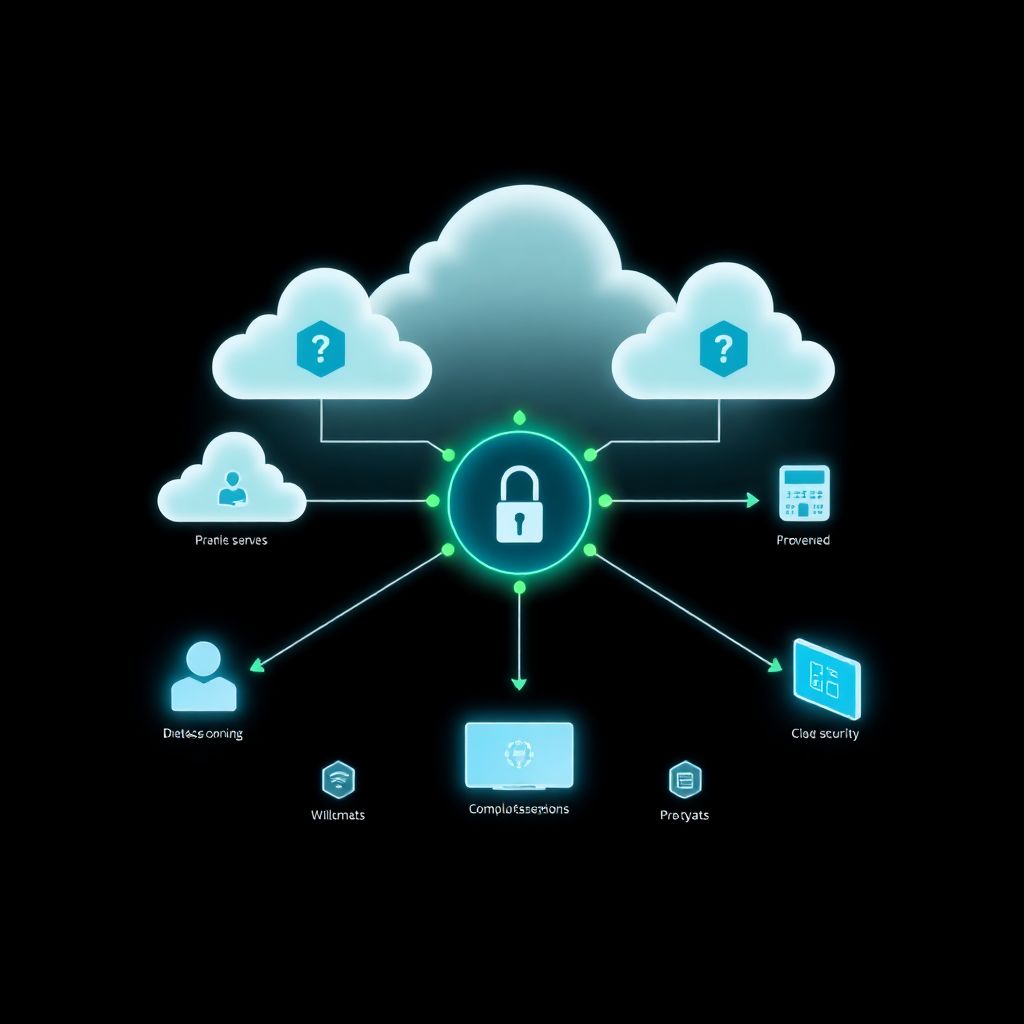
Zero trust in the cloud: applying the model to corporate multi-cloud architectures
Zero Trust na nuvem em 2026: por que todo mundo (finalmente) leva isso a sério Zero Trust não é mais buzzword de slide bonito. Em 2026, depois de tantos vazamentos, ransomware em cadeia e ataques explorando acessos privilegiados, o modelo virou quase “obrigatório” em qualquer conversa séria sobre segurança em cloud — especialmente quando falamos…