Categoria: Guias
-
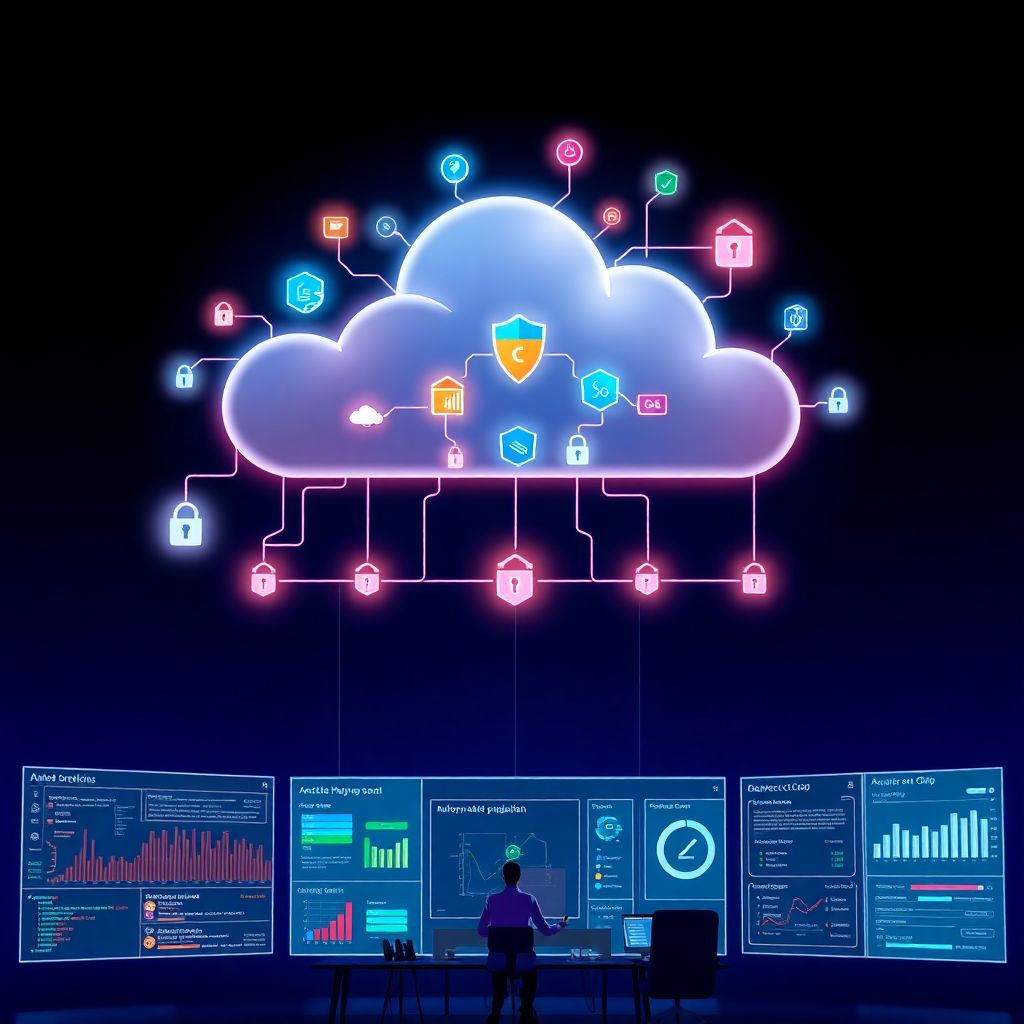
Cloud security automation with terraform, ansible and Ci/cd pipelines
Por que automatizar segurança em cloud deixou de ser opcional A automação de segurança em cloud com Terraform, Ansible e pipelines CI/CD virou questão de sobrevivência, não de modinha tecnológica. Entre 2023 e 2025, a adoção global de infraestrutura como código em ambientes de nuvem passou de cerca de 37% para algo perto de 60%,…
-
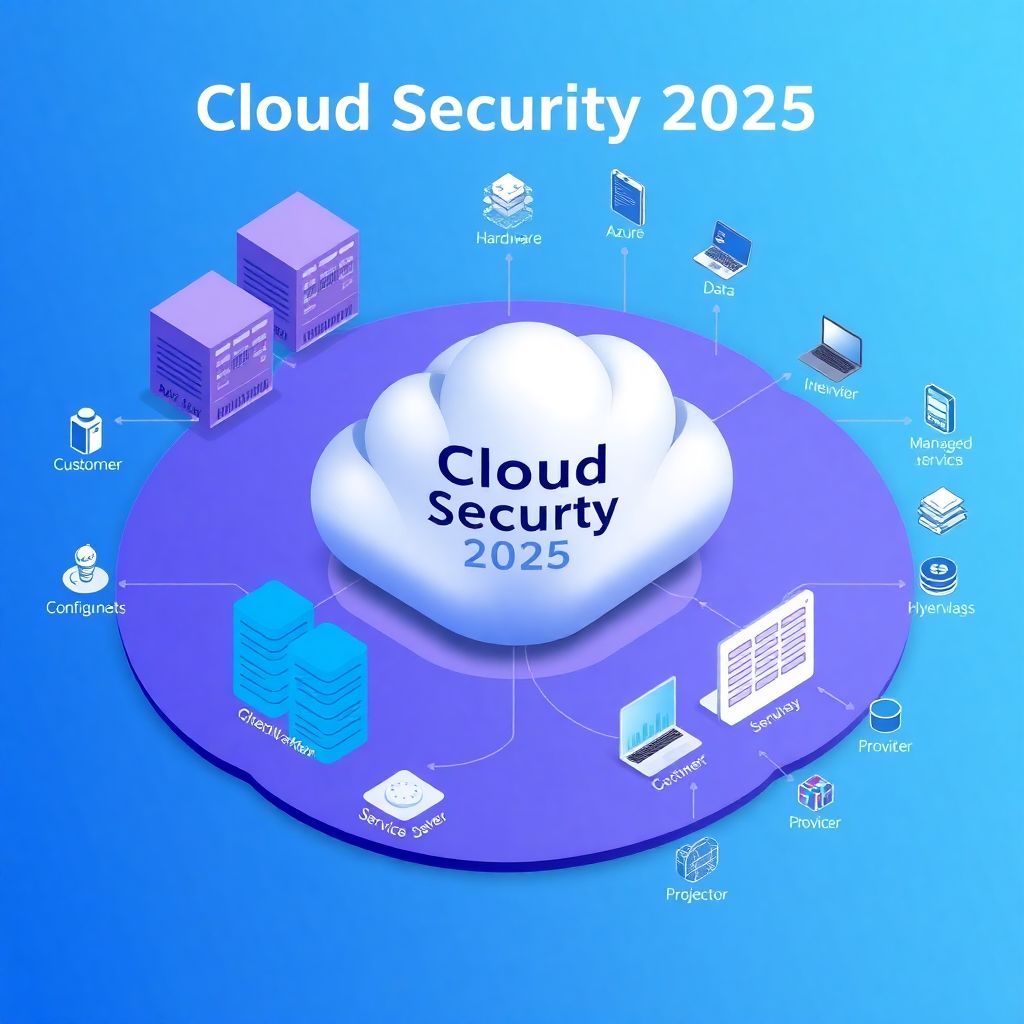
Cloud cybersecurity trends: emerging risks and predictions for coming years
Por que as tendências em cibersegurança cloud importam agora Quando a gente fala em tendências em cibersegurança em cloud 2025, não é futurologia de conferência: é planejamento de sobrevivência do negócio. Cibersegurança cloud é o conjunto de práticas, ferramentas e processos para proteger dados, workloads e identidades que rodam em provedores como AWS, Azure ou…
-
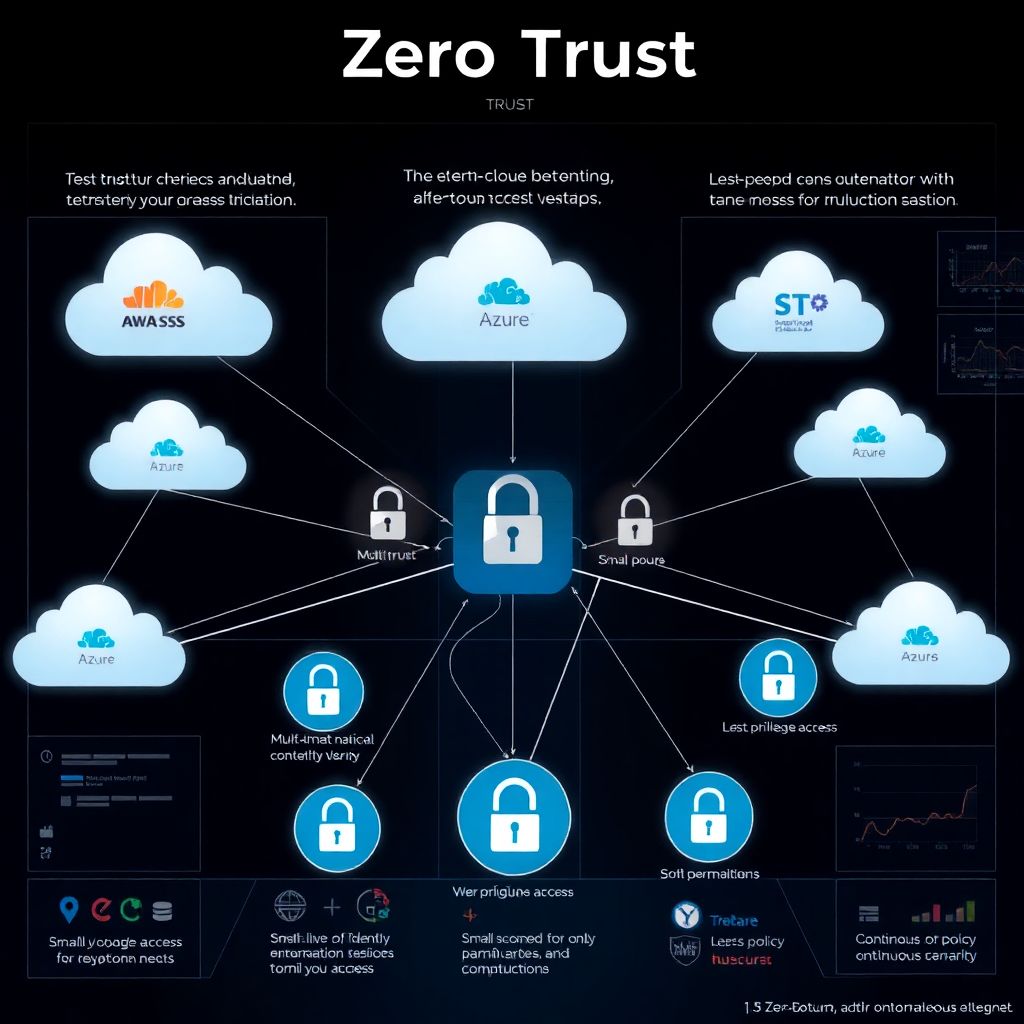
Zero trust in multi-cloud environments: implementing effective least-privilege access
Why Zero Trust in Multi‑Cloud Isn’t Optional Anymore If your company is running workloads in AWS, Azure, GCP and maybe a SaaS or two, you’re already in a zero trust multi cloud reality — whether you planned it or not. Users connect from everywhere, apps talk to each other across regions, and attackers only need…
-
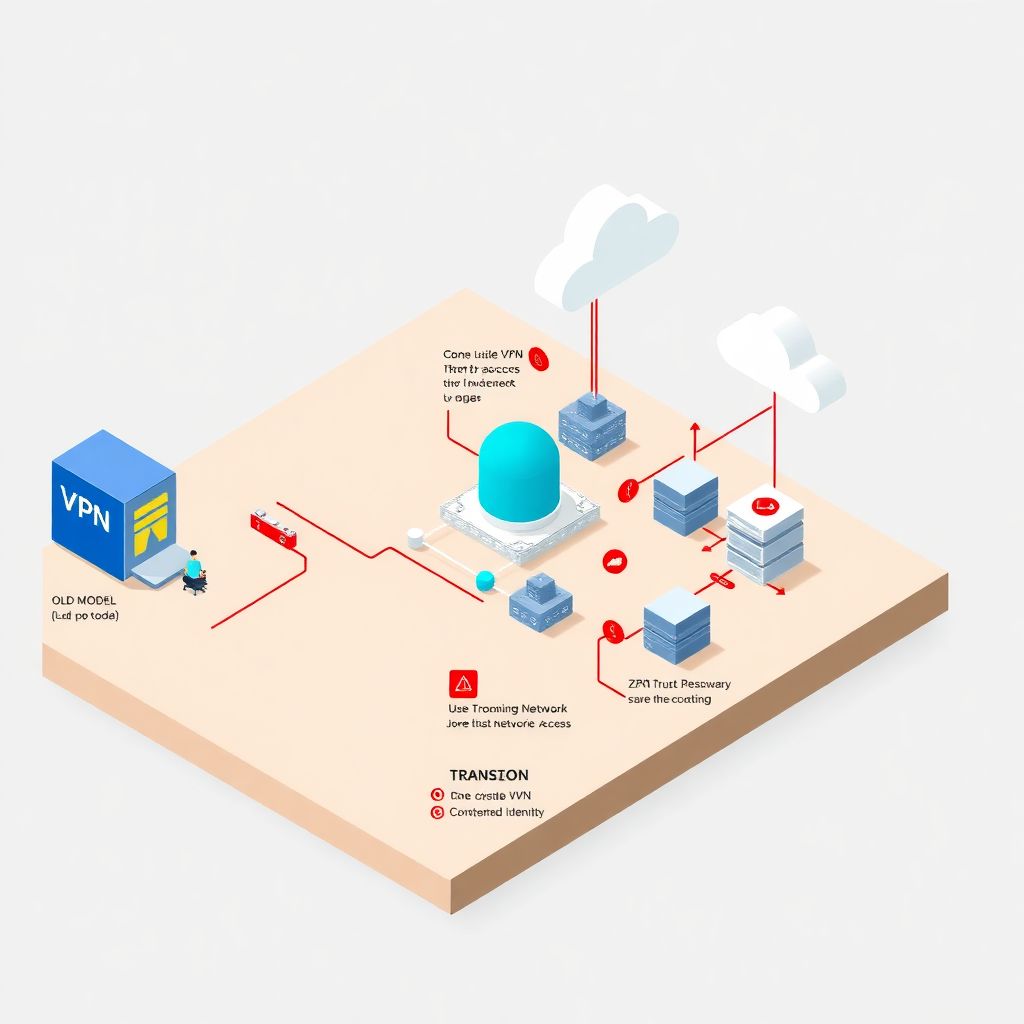
Remote cloud access security with Vpn, Ztna and federated identity
Why remote access to cloud infrastructure is harder than it looks When everything moved to “the cloud”, most companies quietly kept one very old habit: putting a VPN in front of everything and calling it a day. That worked when: – 90% of people were in the office – apps lived in one or two…
-
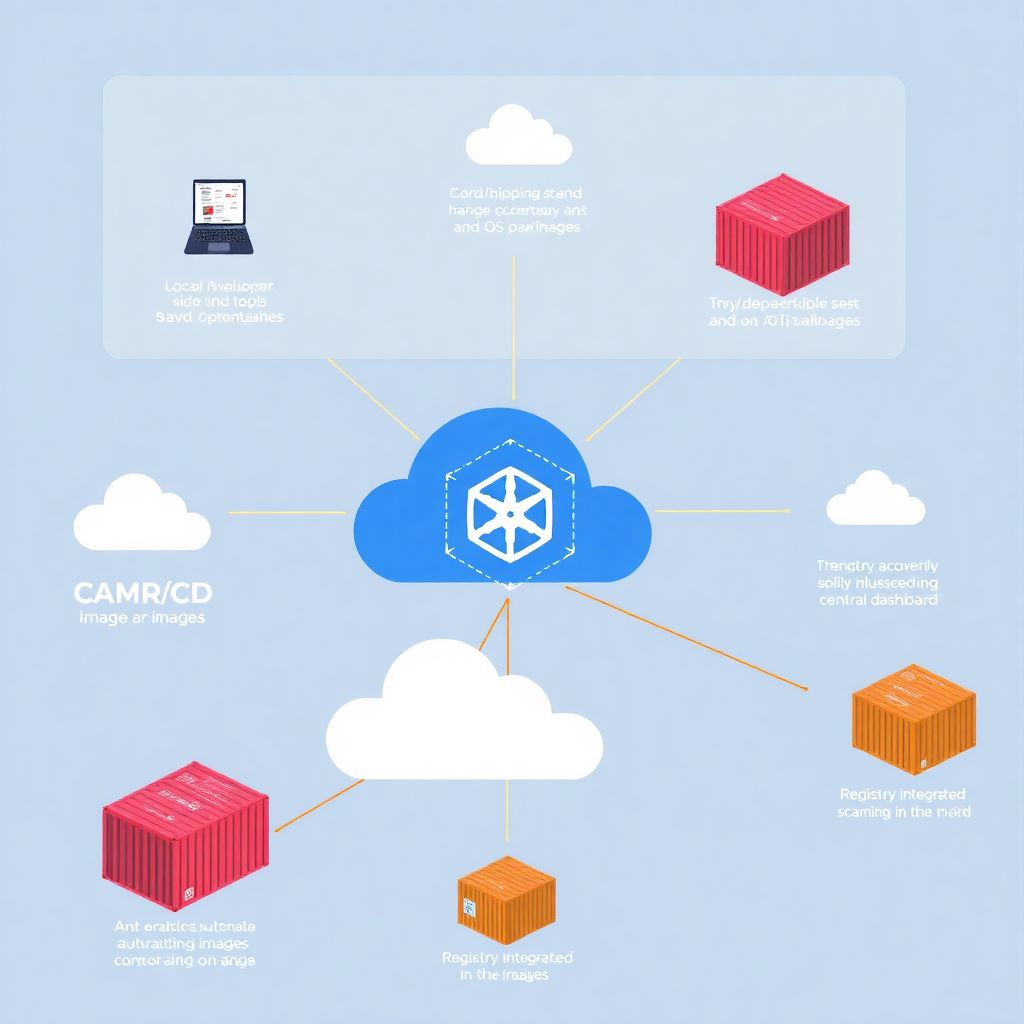
Container image vulnerability analysis with cloud registry security scanners
Why container vulnerability analysis in the cloud is trickier than it looks When you move workloads into Kubernetes or any other orchestration platform, it’s tempting to think: “I’m using official Docker images, I’m fine.” That’s usually wrong. Base images arrive with outdated libraries, teams add random tools during debugging, and images keep living in registries…
-
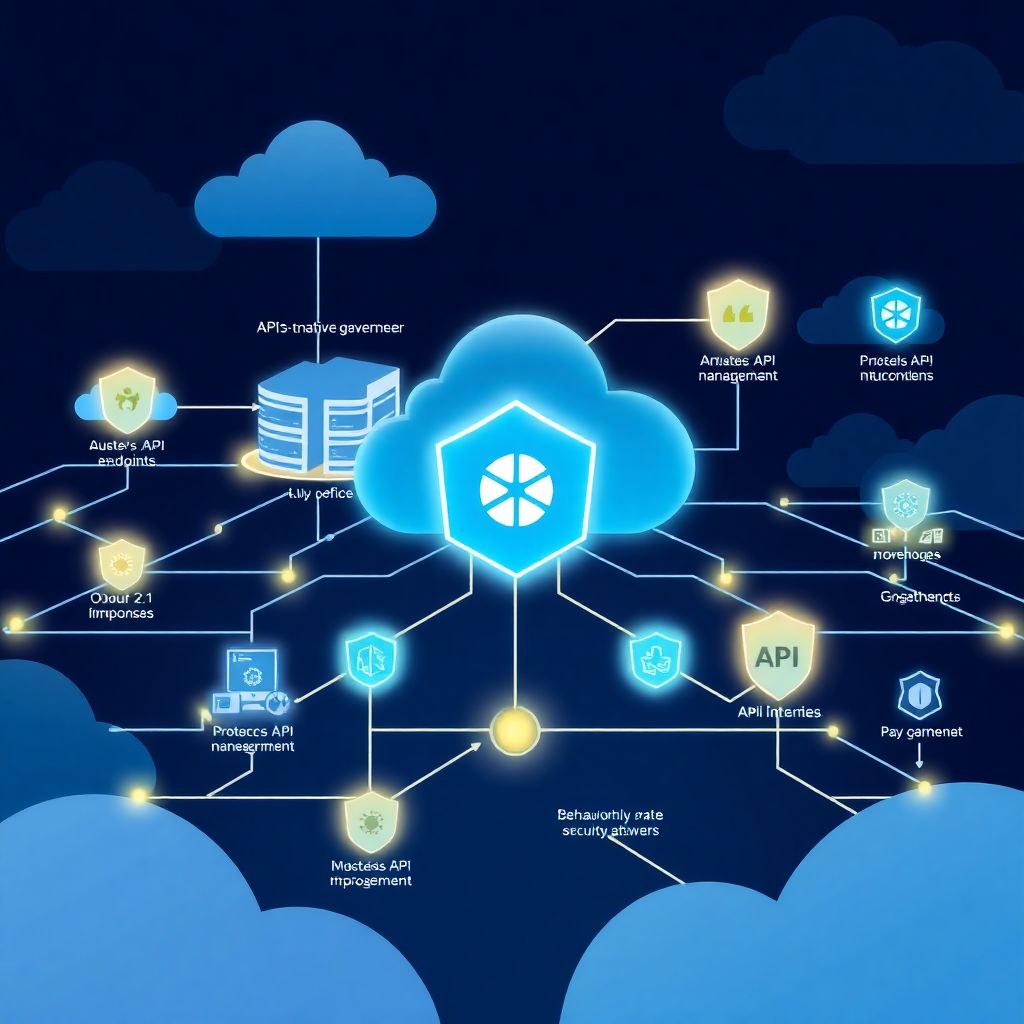
Cloud-native Api protection: auth, access control, rate limiting, public Api security
Почему защита API в cloud-native стала критически важной За последние три года API превратились из “внутреннего транспорта данных” в основной периметр безопасности. Gartner ещё в 2022 году прогнозировал, что к 2025 году API станут самым частым вектором атак, и этот прогноз уже подтвердился: по данным Verizon DBIR 2023–2025, доля инцидентов, напрямую связанных с API, стабильно…
-
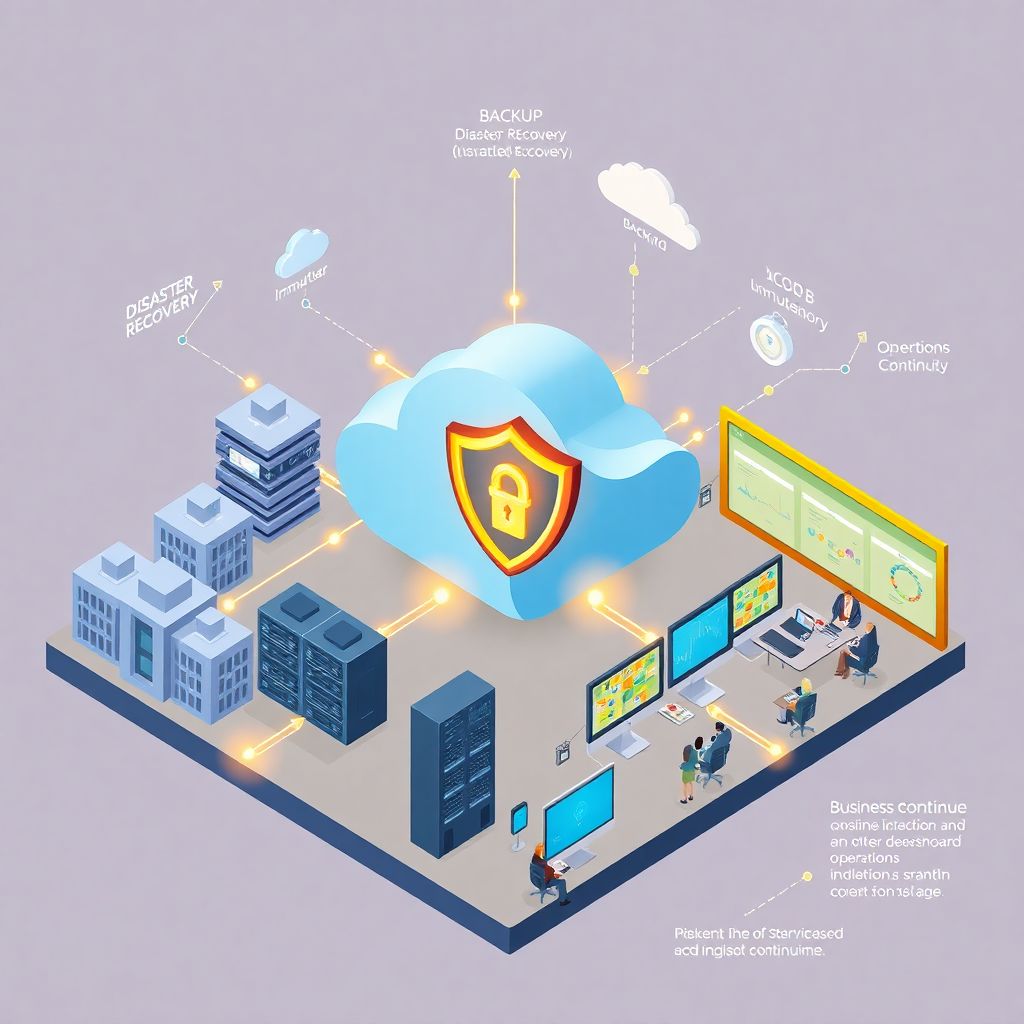
Backup, disaster recovery and business continuity in cloud resilient architectures
Why resilience in the cloud matters From backup to full business survival When people first move systems to the cloud, they often think “the provider takes care of everything” and stop there. In reality, cloud only changes *how* you design resilience, not *whether* you need it. A simple backup will save your data, but it…
-
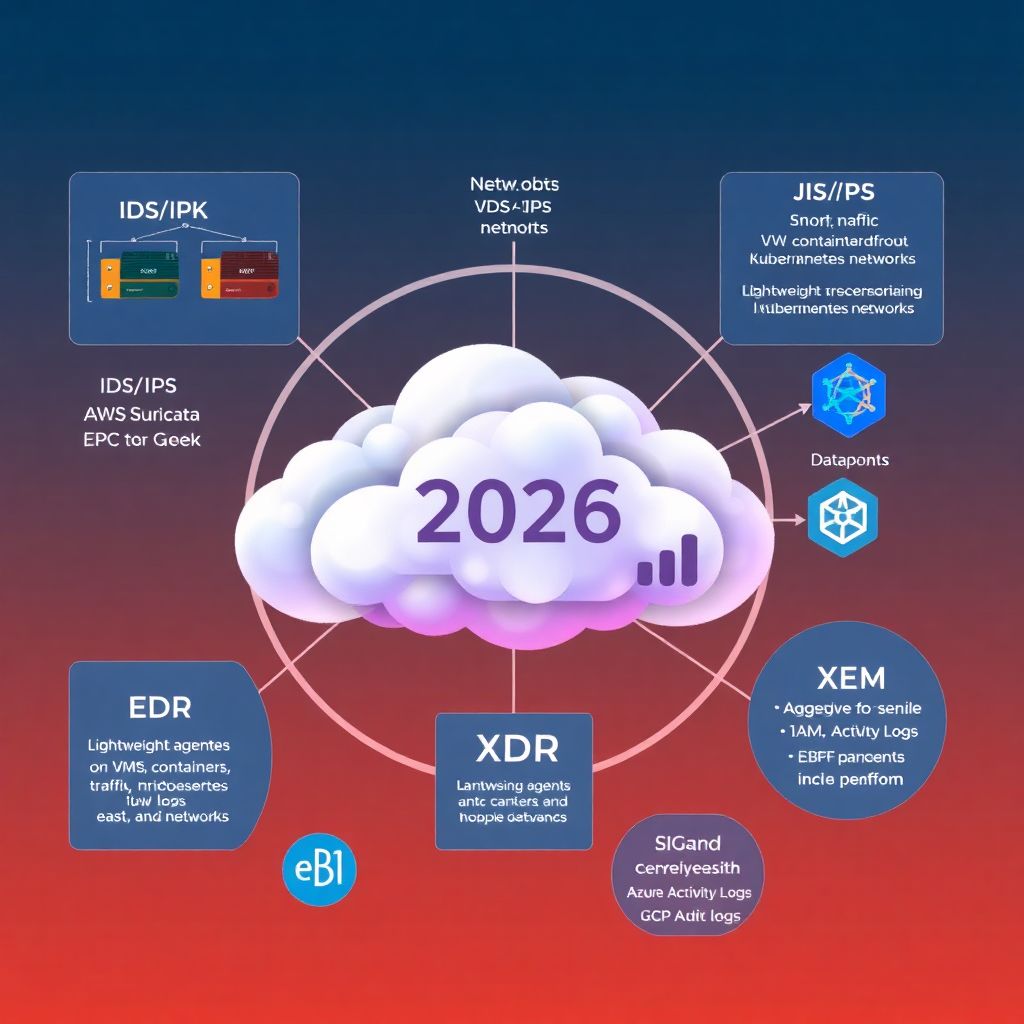
Open source cloud threat detection tools review: Ids/ips, Edr and Xdr
Por que todo mundo fala de IDS/IPS, EDR e XDR em cloud agora Cloud deixou de ser “novidade” faz tempo. Em 2026, praticamente toda empresa que leva segurança a sério já passou (ou está passando) por uma migração de parte do SOC para a nuvem. E aí aparece a pergunta incômoda: como manter visibilidade e…
-
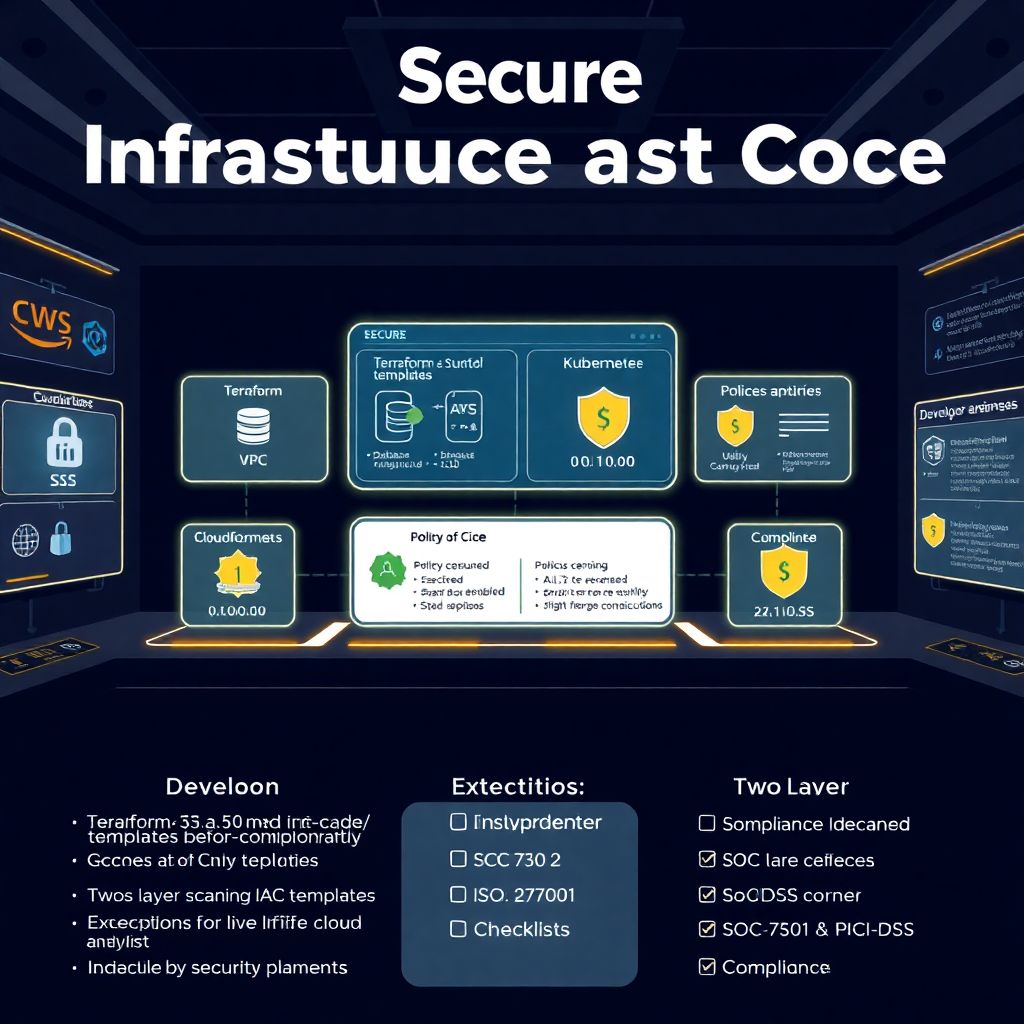
Infrastructure as code (iac) security: patterns, policies and template scanning
Why secure IaC is harder than it looks Most teams adopt Infrastructure as Code for speed, not for segurança, и это быстро мстит. One day you’re happily merging Terraform; a month later вы обнаруживаете, что половина S3-бакетов публичны, а в security group открыт 0.0.0.0/0. Именно здесь начинается разговор про infraestrutura como código segurança boas práticas….
-
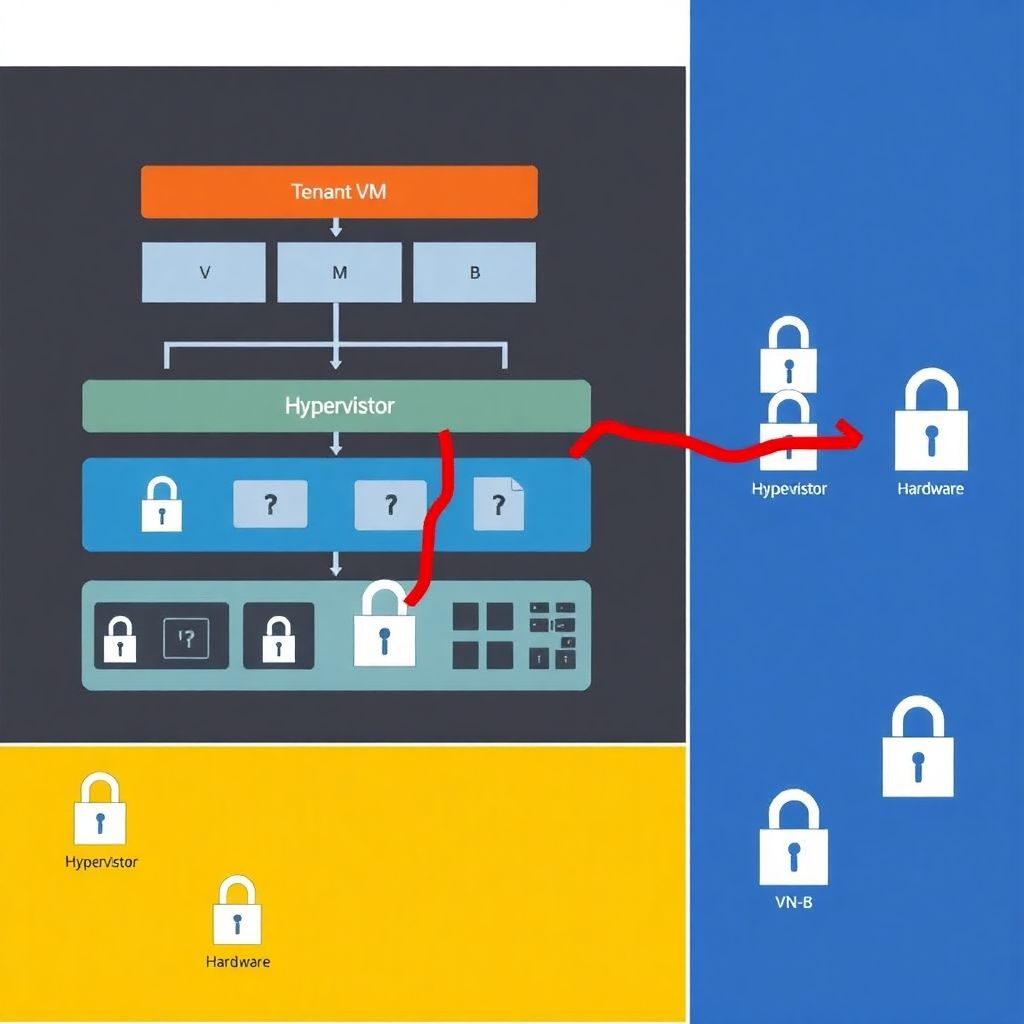
News: impact of recent hypervisor and isolation failures on major cloud providers
Why hypervisor isolation bugs in big clouds matter right now Over the last few years, cloud security headlines have shifted from “misconfigured S3 bucket” to “hypervisor escape lets attacker jump between tenants.” That’s a big deal: hypervisors and hardware isolation are the last line of defense between your VM and someone else’s. When that layer…