Categoria: Artigos
-

Segurança do navegador corporativo: proteja sessões, dados e aplicações na era da Ia
O navegador corporativo virou uma nova fronteira da segurança O navegador deixou de ser apenas uma ferramenta para acessar páginas na internet. Em empresas que dependem de SaaS, trabalho híbrido e inteligência artificial, ele se transformou no ponto de encontro entre identidade, aplicações, dados e sessões autenticadas. Por isso, passou a ocupar uma posição central…
-
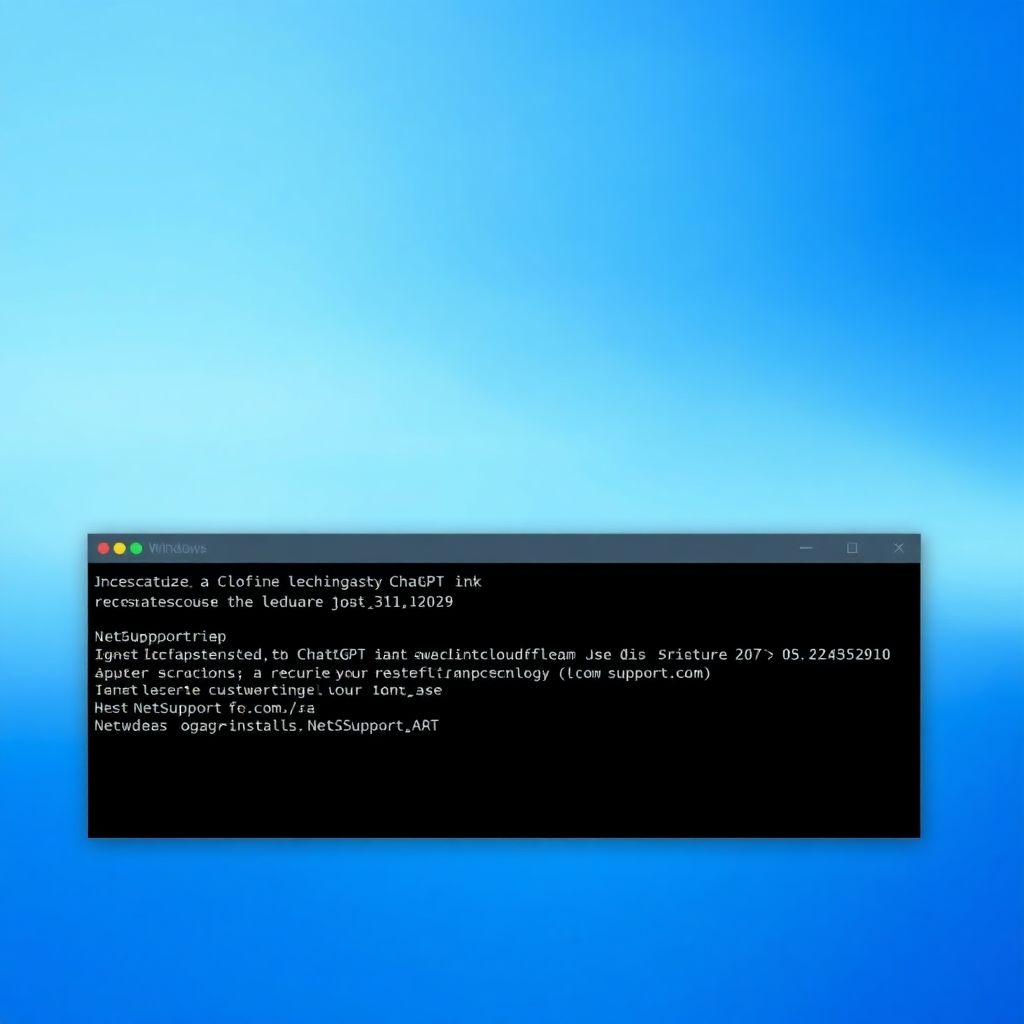
Links legítimos do chatgpt são usados em ataques clickfix para instalar o netsupport Rat
Links legítimos do ChatGPT são usados em ataques ClickFix para instalar o NetSupport RAT Cibercriminosos estão aproveitando a confiança associada ao ChatGPT para distribuir o NetSupport RAT em computadores Windows. A campanha combina links legítimos compartilhados pela plataforma, páginas falsas de verificação da Cloudflare e a técnica de engenharia social conhecida como ClickFix, que leva…
-
Ransomware medusa já fez mais de 500 vítimas e ameaça o setor de saúde
Ransomware Medusa já fez mais de 500 vítimas em todo o mundo O ransomware Medusa já comprometeu mais de 500 organizações em diferentes países até abril de 2026, segundo uma atualização conjunta divulgada pela Agência de Segurança Cibernética e de Infraestrutura dos Estados Unidos (CISA), pelo FBI e pelo Departamento de Saúde e Serviços Humanos…
-
Shadow Ai nas empresas: riscos do uso de Ia em contas pessoais
Shadow AI: quase metade do uso de IA nas empresas acontece em contas pessoais Um novo relatório da Akamai acende um alerta importante para líderes de TI, segurança e negócios: cerca de 47% das interações corporativas com ferramentas de inteligência artificial (IA) estão ocorrendo em contas pessoais, fora do alcance dos controles formais das empresas.…
-
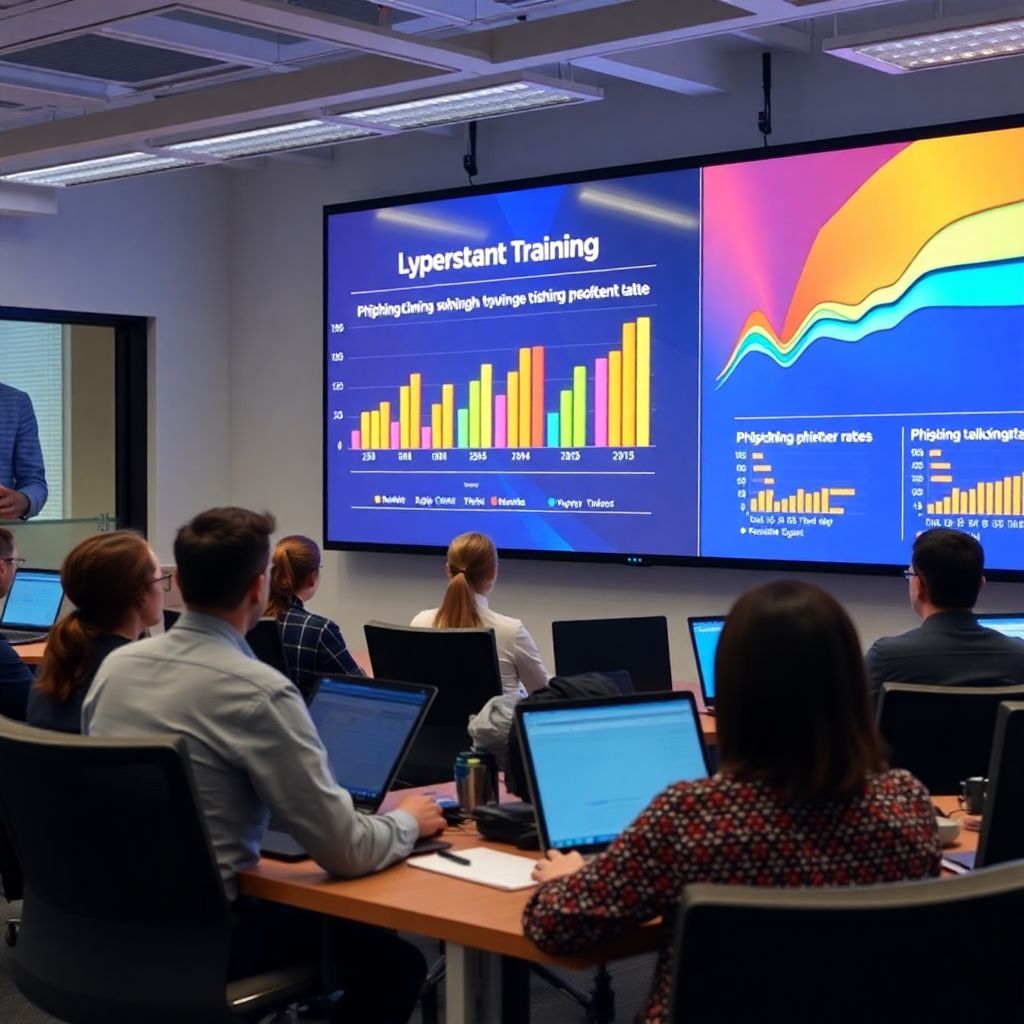
Phishing: como o grupo Yamam reduziu cliques de 24,64% para 1,41%
Ação derruba taxa de cliques em phishing de 24,64% para 1,41% e acelera maturidade em segurança O Grupo YAMAM, empresa nacional de engenharia e projetos industriais, conseguiu um resultado raro em programas de conscientização em segurança digital: reduzir em 94,28% a taxa de cliques em campanhas simuladas de phishing. Em apenas oito meses, o índice…
-

Falha em Bmc expõe 24 mil data centers e revela vulnerabilidade Ipmi de 22 anos
Falha em BMC expõe 24 mil data centers a ataques e escancara brecha de 22 anos Mais de 24 mil data centers ao redor do mundo estão com uma porta de entrada aberta para invasores devido a uma vulnerabilidade antiga em controladores de gerenciamento de placa-mãe, os chamados BMCs (Baseboard Management Controller). Essas interfaces, acessíveis…
-
Water makara mira instituições financeiras brasileiras com ciberataques movidos a Ia
Water Makara intensifica ofensiva contra instituições financeiras brasileiras O grupo Water Makara, identificado pela primeira vez em outubro de 2024, passou a ocupar lugar de destaque no cenário de ciberameaças ao direcionar, de forma sistemática, ataques a instituições financeiras no Brasil com foco no roubo e na exfiltração de dados sensíveis. As conclusões constam no…
-

Ascenty fortalece segurança It e Ot em data centers com xdome da claroty
Ascenty fortalece segurança de ambientes IT e OT com plataforma xDome da Claroty A Ascenty, maior provedora de data centers e conectividade da América Latina, deu um passo relevante na proteção de suas operações críticas ao adotar a solução xDome, da Claroty. O projeto, anunciado em julho de 2026, fez parte de uma estratégia corporativa…
-

Engenharia social: como golpistas manipulam emoções e enganam suas vítimas
Social engineering: como golpistas manipulam suas vítimas Criminosos cibernéticos passam anos lapidando a capacidade de ler pessoas e explorar fragilidades emocionais. Eles estudam comportamentos, simulam conversas, testam abordagens e usam tudo isso para parecerem completamente convincentes. Esse conjunto de técnicas de persuasão maliciosa é conhecido, no universo da segurança da informação, como engenharia social. A…
-
Cisa impõe prazo emergencial para corrigir falha crítica no oracle e‑business suite
CISA impõe prazo emergencial para correção de falha crítica no Oracle E‑Business Suite A Agência de Segurança de Cibersegurança e Infraestrutura dos Estados Unidos (CISA) emitiu uma ordem emergencial exigindo que órgãos federais apliquem, até sábado, correções para uma vulnerabilidade crítica no Oracle E‑Business Suite (EBS). A falha, catalogada como CVE-2026-46817 e com pontuação CVSS…