Categoria: Notícias
-

Cloud and container pentesting: how to conduct effective infrastructure tests
Pentesting cloud and container infrastructures means safely simulating realistic attacks against your AWS, Azure, GCP and Kubernetes/Docker environments to validate controls, configurations and detection capabilities. Focus on legally scoped testing, least‑privilege access, and automation, and use results to drive concrete hardening actions, not just compliance checklists, for your Brazilian organization. Preparation checklist for cloud- and…
-
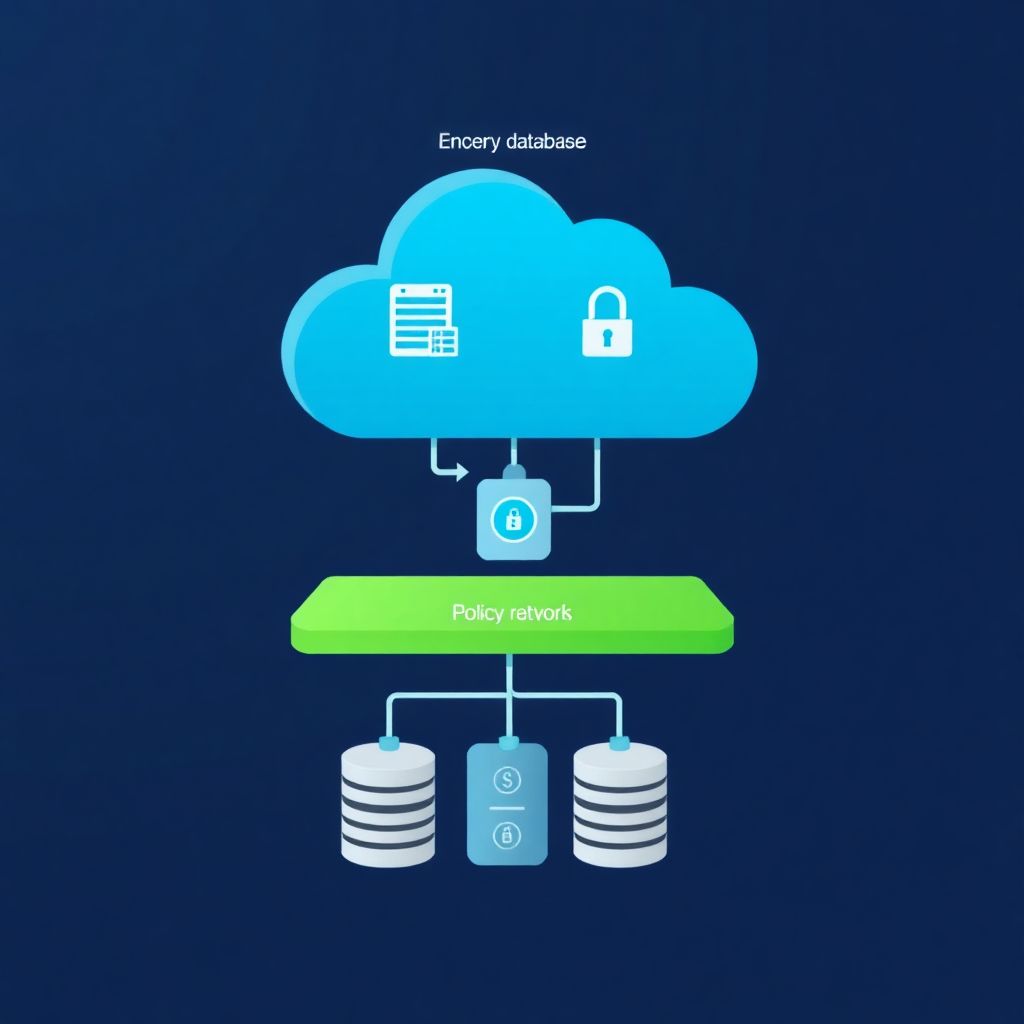
Avoid misconfigurations in storage buckets and managed databases securely
To avoid misconfigurations in cloud storage buckets and managed databases, standardize configurations as code, enforce least-privilege access, isolate resources on private networks, enable strong encryption by default, and add continuous monitoring plus policy-based checks. Combine provider-native guardrails with independent tools so mistakes in one layer are caught by others. Essential controls to prevent storage bucket…
-

Cloud threat monitoring and detection: Siem vs Xdr vs native provider tools
For most Brazil-based teams, the best approach is hybrid: use a cloud-native stack as the first line of defense, add XDR for endpoint and workload depth, and introduce a focused solução siem para monitoramento de ameaças em cloud only where advanced correlation, compliance and multi-cloud visibility truly justify the extra cost and complexity. Executive summary:…
-

Cloud backup and disaster recovery strategy aligned with Lgpd compliance
A compliant cloud backup and disaster recovery strategy under LGPD starts with mapping personal data, choosing Brazilian or adequate regions, enforcing encryption and least privilege, and defining realistic RTO and RPO. Combine cloud-native storage such as S3, Azure Blob or GCS with tested runbooks, clear retention rules, and evidence for audits and ANPD. Compliance-focused summary…
-

Zero trust in the cloud: how to implement a truly perimeterless multi-cloud architecture
To implement Zero Trust na nuvem multi cloud safely, treat every identity, device and workload as untrusted, enforce least privilege everywhere, and centralize policy and telemetry across providers. Start with identity, segment workloads, secure service-to-service traffic with mTLS, automate policy via CI/CD, and orchestrate monitoring and incident response. Zero Trust multi-cloud: implementation snapshot Start with…
-

Advanced Iam implementation guide: roles, policies, least privilege and temp roles
Implement advanced IAM by first mapping identities and trust boundaries, then designing a clear role taxonomy and naming. Author granular, version-controlled policies, enforce least privilege with approvals, and use temporary roles for risky operations. Continuously monitor, audit, and automatically remediate drift across AWS, Azure, and GCP using safe, reversible changes. Practical implementation checklist Define business-critical…
-

News & trends: recent cloud attacks and key lessons for stronger security
Recent cloud attacks show repeating patterns: abused identities, misconfigurations, and supply‑chain gaps. If you run workloads in public cloud, then you must treat identity, configuration baselines, and third‑party access as primary attack surfaces. If you improve monitoring, response, and architecture together, then you drastically reduce impact even when incidents happen. Executive summary: recent cloud incidents…
-

Docker image security in containers: comparing open source analysis tools
For most pt_BR teams, start with Trivy as the primary scanner de facto for Docker images, then complement it with Grype for cross-checking and TruffleHog for secret hunting. Clair, Anchore Engine and Dagda fit more specialized, heavier setups. Prioritize fast, automated CI scans over rare, manual deep-dives. Security highlights at a glance Trivy is the…
-

Recent cloud provider attacks: key lessons and how to prepare your business
Recent attacks on cloud providers show that tenant security depends on both provider controls and your own configuration. Focus on reducing blast radius, hardening identities and control planes, validating vendor promises, and rehearsing incident response for provider‑side failures. This guide gives concrete, safe steps for Brazilian companies using public cloud. Immediate lessons from recent supply‑chain…
-

Cloud compliance: how to meet Lgpd, Gdpr and Iso 27001 in full cloud
To meet LGPD, GDPR and ISO 27001 requirements in a cloud-only infrastructure, start by mapping personal data, defining controller/processor roles, and restricting providers to compliant regions. Then implement strong IAM, encryption, monitoring, and incident response. Document everything as evidence and regularly reassess risks, contracts, and cloud services as your environment evolves. Essential compliance priorities for…