Categoria: Artigos
-

Siem and Soar integration with Aws, azure and Gcp logs for advanced threats
To integrate SIEM and SOAR with AWS, Azure and GCP logs for advanced threat detection, start by standardising log collection, normalising schemas and enforcing strong access controls. Then design correlation rules and playbooks that span clouds, validate data quality and tune detections to reduce false positives while meeting data residency and compliance requirements. Critical integration…
-

Sensitive data protection in cloud: encryption at rest, in transit, in use
To protect sensitive data in cloud environments, combine encryption at rest, in transit and in use with strong key management, monitoring and incident response. Classify business data, map all cloud storage and flows, enforce provider-native encryption, harden TLS, and selectively use confidential computing for high-impact workloads, always balancing security, cost and performance. Concise technical summary…
-

Api security in cloud-native environments from design to production monitoring
Cloud-native API security in pt_BR environments means embedding controls from design to runtime: threat modeling, strong authN/Z, encrypted traffic, secure pipelines, and continuous monitoring. This guide gives a practical, risk-aware runbook so you can implement segurança de api em cloud native safely across Kubernetes, serverless, and managed PaaS, without relying only on perimeter firewalls. Essential…
-
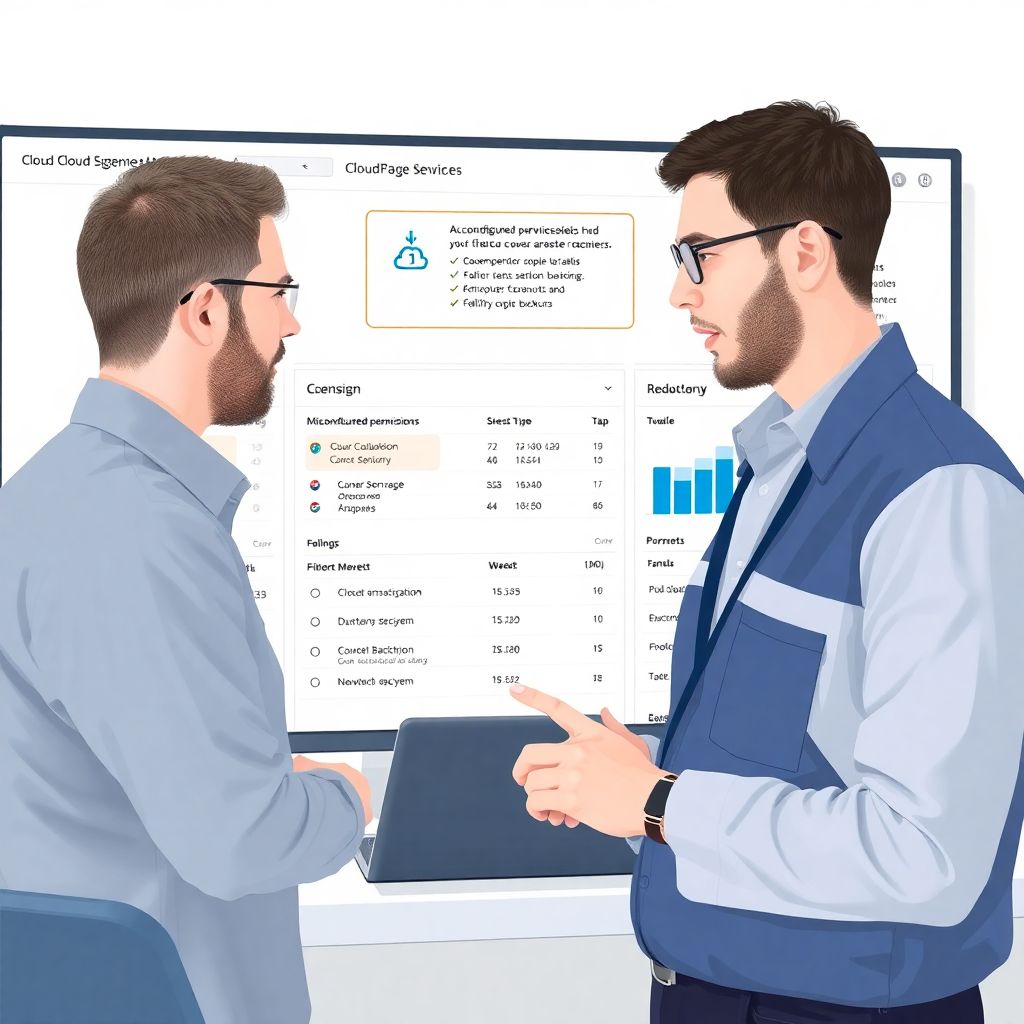
Common cloud storage configuration errors and how to avoid them
The most common cloud storage misconfigurations are around IAM permissions, wrong performance tiers, missing redundancy, and broken backups. To fix and avoid them, start with read-only reviews of policies and metrics, validate backup restores, standardize IaC templates, and enforce least privilege with regular automated checks for drift in production environments. Top misconfigurations that cause outages…
-

News: technical analysis of major security incidents in leading cloud providers
Major cloud security incidents at large providers usually start with basic weaknesses: exposed management interfaces, over‑permissive IAM, forgotten test workloads, or unpatched software. To troubleshoot and prevent similar issues in your own environment, focus on read‑only log and configuration reviews first, then tighten identity, network boundaries, monitoring, and automated response. Incident snapshot and critical indicators…
-

How to detect and mitigate ransomware attacks in cloud and saas infrastructures
To detect and mitigate ransomware in cloud and SaaS, combine fast anomaly detection on storage and identities, strict least-privilege access, reliable immutable backups, and a tested response playbook. Centralize logs, enable SaaS-native security features, predefine isolation runbooks, and regularly test recovery so业务-continuity does not depend on a single provider or tool. Immediate Detection Priorities for…
-

Multi-cloud security architecture: best practices for hybrid environments
Design hybrid and multi-cloud security by standardizing identity, network, and data controls across providers, centralizing visibility, and automating policy enforcement. Start with threat modeling, then build a minimal, repeatable architecture using provider-native controls plus carefully chosen third‑party tools. For teams in Brazil, align with corporate risk, local regulations, and realistic operational capacity. Core security priorities…
-

Container and serverless security: threat model differences and recommended controls
Containers give you more control but a wider attack surface; serverless shrinks the surface but increases reliance on the cloud provider. For most pt_BR teams, use containers for long‑running, stateful or latency‑sensitive workloads, and serverless for event‑driven, spiky traffic. Secure both with least‑privilege IAM, strong supply‑chain controls and runtime monitoring. At-a-glance distinctions: attack surfaces and…
-
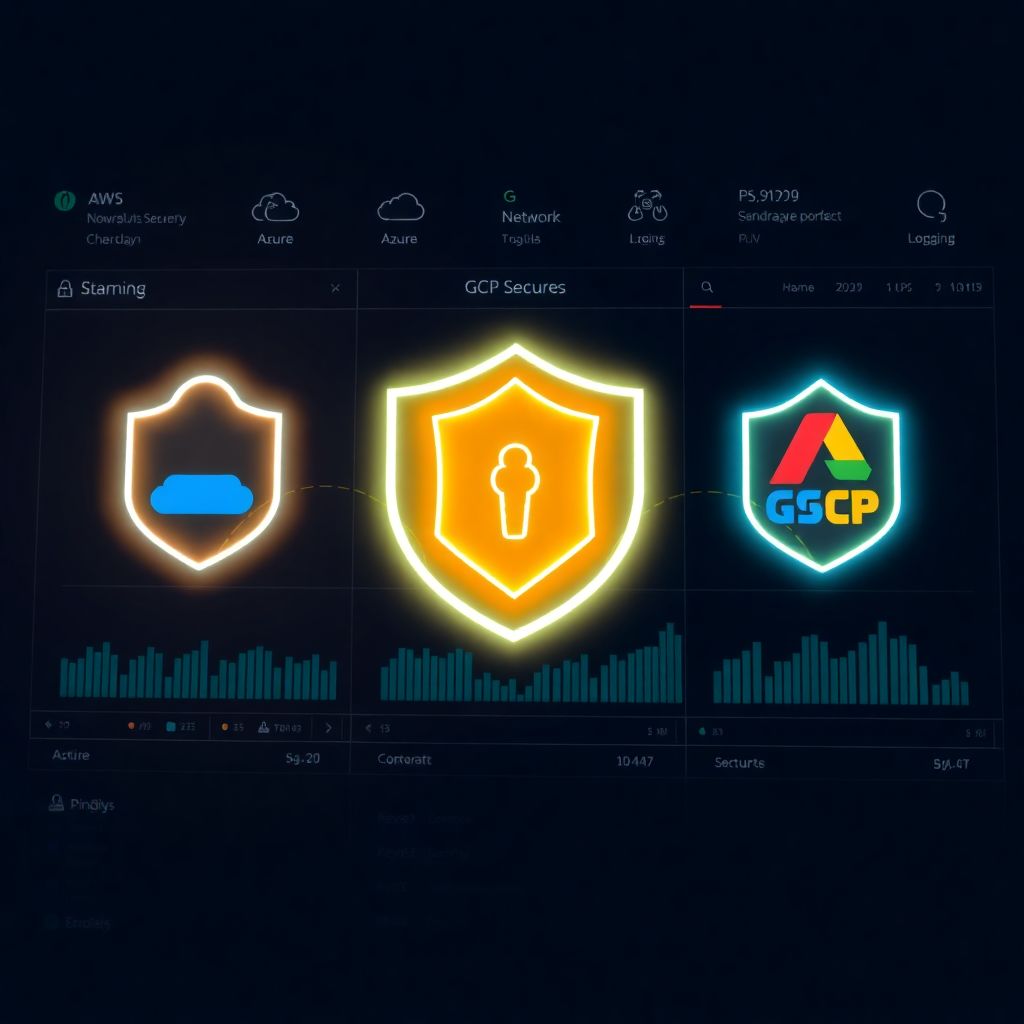
Cloud security baseline: how to standardize Aws, azure and Gcp environments
A practical cloud security baseline for AWS, Azure and GCP means one unified set of controls (identity, network, data, logging, operations) with provider-specific mappings. You document minimum requirements once, then implement them consistently using native services, automation and continuous posture monitoring across all tenants, subscriptions, accounts and projects. Baseline Summary and Scope Define a single…
-

How to map and reduce attack surface in cloud microservices architectures
To map and reduce the attack surface in cloud microservice architectures, first inventory every service and communication path, then systematically remove or lock down unnecessary entry points. Apply least privilege, segment networks with zero trust, harden runtimes, and automate detection. Start small with critical services and iterate continuously. Quick Security Priorities for Microservice Attack Surface…